

Payment Processing for Wisconsin Veterinary Clinics: Fees, Equipment & Compliance
Payment Processing for Wisconsin Veterinary Clinics: Fees, Equipment & Compliance
Veterinary clinics process a different kind of transaction than most small businesses: fewer, larger charges – a $2,000 surgery instead of a $20 retail sale – plus recurring wellness-plan billing and a steady stream of pet-owner payment plans. A processor built for high-volume, low-ticket retail is not built for that. This guide to veterinary clinic payment processing covers what actually changes for a veterinary practice: transaction size and its effect on your effective rate, the equipment that fits an exam room versus a front desk, PCI compliance specific to storing client card data for recurring plans, and what to ask a processor before switching.
Key Takeaways
- Veterinary transactions run higher-ticket than most retail (frequently $150-$3,000+ per visit), which changes which pricing model – interchange-plus versus flat-rate – actually saves money.
- Recurring wellness-plan billing requires a processor that supports secure card-on-file storage (tokenization), not manual re-entry every month.
- PCI DSS compliance applies the moment you store a client’s card for a future charge – a common gap at clinics that started out swiping cards at the front desk only.
- Emergency and specialty clinics handling walk-in high-ticket procedures benefit from EMV chip and tap-to-pay terminals with strong chargeback protection, since large-ticket disputes are the costliest to lose.
- A local processor who understands veterinary billing patterns (deposits, payment plans, boarding and grooming add-ons) will typically structure pricing more favorably than a generic national processor quoting off average retail volume.
Why Transaction Size Changes Your Pricing Math
Card networks (Visa, Mastercard, Discover, American Express) set interchange rates – the base cost of every transaction – as a percentage plus a small flat fee per swipe. On a $20 retail sale, the flat-fee portion barely registers. On a $2,000 dental surgery or a $4,000 orthopedic procedure, that same flat fee is a rounding error, but the percentage portion is where real money moves.
This is why the pricing model matters more for a veterinary clinic than for a typical small retailer:
- Flat-rate pricing (a single percentage regardless of card type) is easy to understand but usually costs more on large transactions, because it bakes in a margin that assumes a mix of high- and low-cost card types.
- Interchange-plus pricing passes the actual card-network cost through and adds a transparent, usually smaller, markup – which tends to save money as average ticket size climbs. We break the model down further in interchange-plus pricing explained for Wisconsin businesses.
A clinic running $400 average transactions can often save meaningfully over a year by moving from flat-rate to interchange-plus – the exact savings depend on card mix and current rates, which is why a real rate comparison, not a generic quote, matters before switching. Our guide to credit card processing fees in Wisconsin covers how to read a statement properly.
Equipment That Fits How a Vet Clinic Actually Takes Payment
A veterinary clinic collects payment in at least three different physical contexts, and each has a different equipment answer:
- Front desk and checkout. A countertop terminal or integrated POS that connects to practice management software (many clinics run Cornerstone, AVImark, ezyVet, or similar) so payment posts directly to the patient record instead of requiring double-entry.
- Exam room or surgical suite. A mobile card reader lets a technician or doctor take a deposit or final payment without walking the client back to the front desk – useful for large-ticket procedures where getting payment authorization before starting matters.
- Boarding, grooming, and recurring wellness plans. This is where card-on-file and tokenized billing becomes essential – the clinic needs to charge a stored card automatically each month for a wellness plan, or on discharge for boarding, without re-entering card details, which would also violate PCI rules.
PCI Compliance and Storing Client Cards for Wellness Plans
The moment a clinic stores a client’s card number to bill it again later – for a monthly wellness plan, a payment plan on a large procedure, or automatic boarding charges – PCI DSS compliance requirements apply to how that data is stored and used. This is a common blind spot: a clinic that has always run cards in person at time of service may not realize that storing a card for future billing is a materially different compliance situation than swiping it once.
The practical fix most processors use is tokenization – the actual card number is replaced with a secure token immediately at the point of entry, and the token, not the card number, is what the clinic’s system stores and reuses. This keeps the clinic’s own systems out of PCI scope for that stored data, since the real card number never touches clinic servers. If a clinic is currently keying card numbers into a spreadsheet or practice management notes field for recurring billing, that is a real compliance and security risk worth fixing before it becomes a bigger one.
Flat-Rate vs. Interchange-Plus: A Worked Example

Numbers make this concrete. Take a clinic averaging $350 per transaction, a mix of routine visits and larger procedures:
| Flat-rate (~2.9% + $0.30) | Interchange-plus (~1.7% + 0.30% + $0.15, illustrative) | |
|---|---|---|
| Cost on a $350 visit | ~$10.45 | ~$7.30 |
| Cost on a $2,500 surgery | ~$72.80 | ~$44.75 |
| Annual difference at 400 transactions/month | meaningful enough to be worth a real rate comparison | |
The gap widens as ticket size grows, which is exactly why a flat-rate processor marketed at general small businesses tends to be a worse fit for a clinic doing regular four-figure procedures than for a coffee shop doing $6 transactions all day.
Standalone Terminal vs. Integrated POS: Which Fits Your Clinic
Smaller, single-doctor practices sometimes get by with a standalone countertop terminal that runs independently of the practice management system – payment happens, a receipt prints, and staff manually note it as paid in the patient record. It is cheap and simple, but every transaction is a second, manual step.
Larger or multi-doctor practices generally do better with a POS or payment gateway integrated directly into their practice management software (Cornerstone, AVImark, ezyVet, IDEXX Neo, and similar). Integrated payment means the charge posts to the patient’s account automatically, invoices reconcile without manual matching, and front-desk staff are not re-keying amounts from a treatment estimate into a separate terminal. The tradeoff is setup complexity and, often, a somewhat narrower choice of compatible processors – worth confirming integration support before comparing rates, since a slightly better rate from a non-integrated processor can cost more in staff time than it saves.
Wisconsin-Specific Considerations: Emergency and Specialty Practices
Emergency and specialty veterinary clinics – the ones seeing walk-in trauma cases, complex surgical referrals, and after-hours emergencies – face a particular version of this problem: the highest-ticket, most time-pressured transactions in the entire veterinary sector, often with a client who is making a large financial decision under stress. A few things matter more here than at a routine wellness practice:
- Financing options at the point of estimate, not just at checkout. Offering a payment plan or third-party financing (CareCredit, Scratchpay, or similar) when presenting a $4,000+ treatment estimate measurably improves treatment acceptance for many practices, versus surprising a client with financing options only after they have already said no to the full amount.
- Fast authorization on large holds. A card authorization hold for a major procedure needs to clear quickly so the surgical team is not waiting on a payment system before starting time-sensitive care.
- After-hours support from the processor. A terminal outage at 2 a.m. during an emergency case is a different kind of problem than a slow Tuesday afternoon glitch – confirm what support looks like outside business hours before choosing a processor for an emergency practice specifically.
What to Ask Before Switching Processors
- What is the actual interchange-plus markup, in writing, not just an “average savings” estimate?
- Does the terminal or gateway integrate with our practice management software, or will staff have to double-enter payment?
- How is a stored card for a wellness plan or payment plan tokenized and secured?
- What is the chargeback process and timeline, especially for high-ticket disputes?
- Is there a cancellation fee or early termination fee in the contract?
- Can we see next-day funding, or does deposit timing vary?
- Does the processor offer or integrate with a financing option for large treatment estimates?
- What does after-hours support look like if a terminal fails during an emergency case?
If you are weighing a move, our step-by-step guide on how to switch credit card processors covers the sequencing that keeps a clinic running during the changeover.
Veterinary Clinic Payment Processing FAQ
Do veterinary clinics need PCI compliance if they only take cards in person?
Yes. Any business that accepts card payments is subject to PCI DSS requirements regardless of how the card is taken – in person, over the phone, or online. The compliance burden is lighter for card-present, one-time transactions than for stored or recurring billing, but it does not disappear.
What is the difference between interchange-plus and flat-rate pricing for a vet clinic?
Flat-rate charges one percentage on every transaction regardless of card type. Interchange-plus passes through the card network’s actual cost plus a smaller, transparent markup. For clinics with higher average tickets such as surgeries and dental procedures, interchange-plus usually costs less over time – but the actual savings depend on card mix and current rates.
Can we charge a stored card automatically for a monthly wellness plan?
Yes, with a processor and gateway that support tokenized, recurring billing. The card is tokenized at first entry so the clinic never has to re-key or store the raw card number for the recurring charge.
What happens if a client disputes a large veterinary charge?
The card network places a temporary hold on the disputed amount while the chargeback is investigated. Clinics can reduce chargeback risk on large procedures by getting signed treatment or estimate approval before the procedure and keeping clear documentation of services rendered. Our chargebacks guide for Wisconsin small businesses covers the dispute process in detail.
Do mobile card readers work in an exam room with spotty Wi-Fi?
Most modern mobile readers support both Wi-Fi and cellular or Bluetooth-to-phone connections, so a weak Wi-Fi signal in an exam room typically is not a blocker – worth confirming with a specific device before purchase if the clinic has known connectivity dead zones.
Is there a minimum clinic size to get good processing rates?
No. Rate structure depends more on transaction volume and average ticket size than clinic size. A single-doctor practice with consistent high-ticket procedures can often negotiate rates comparable to a larger multi-doctor practice.
How long does it take to switch processors without disrupting clinic operations?
A well-planned switch – new equipment ordered and tested, staff trained, practice management integration confirmed – typically takes one to three weeks. Avoid switching during a clinic’s busiest season, spring and summer when wellness visits and boarding both peak, if the timeline can be scheduled around it.
Do wellness plan subscriptions need a different type of merchant account than one-time payments?
Not necessarily a different account, but the account needs to support recurring and tokenized billing – a feature not every basic terminal-only setup includes by default. Confirm recurring billing support specifically, rather than assuming a standard card-present account handles it automatically.
A Note on Choosing a Local Processing Partner
Clinics evaluating processors sometimes assume a national provider automatically means better rates or support. In practice, a processor with actual familiarity with Wisconsin veterinary billing patterns – seasonal boarding surges, wellness-plan structures common among Madison-area practices, the equipment mix a busy multi-doctor clinic actually needs – can often structure a better fit than a call-center-supported national account quoting off generic small-business averages. Worth weighing alongside the raw rate comparison, not instead of it.
Motus Financial works with practices across Wisconsin, including credit card processing in Madison and the surrounding area. If your clinic handles similar billing to a dental practice, our guide to Wisconsin dental payment processing covers overlapping ground on high-ticket healthcare billing.





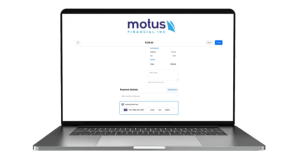
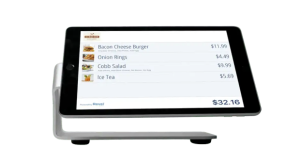 Our POS systems are designed to streamline in-store transactions. With features like inventory management, sales reporting, and customer tracking, our POS solutions help you run your business more efficiently. Our terminals are compatible with various payment methods, including chip cards, contactless payments, and mobile wallets.