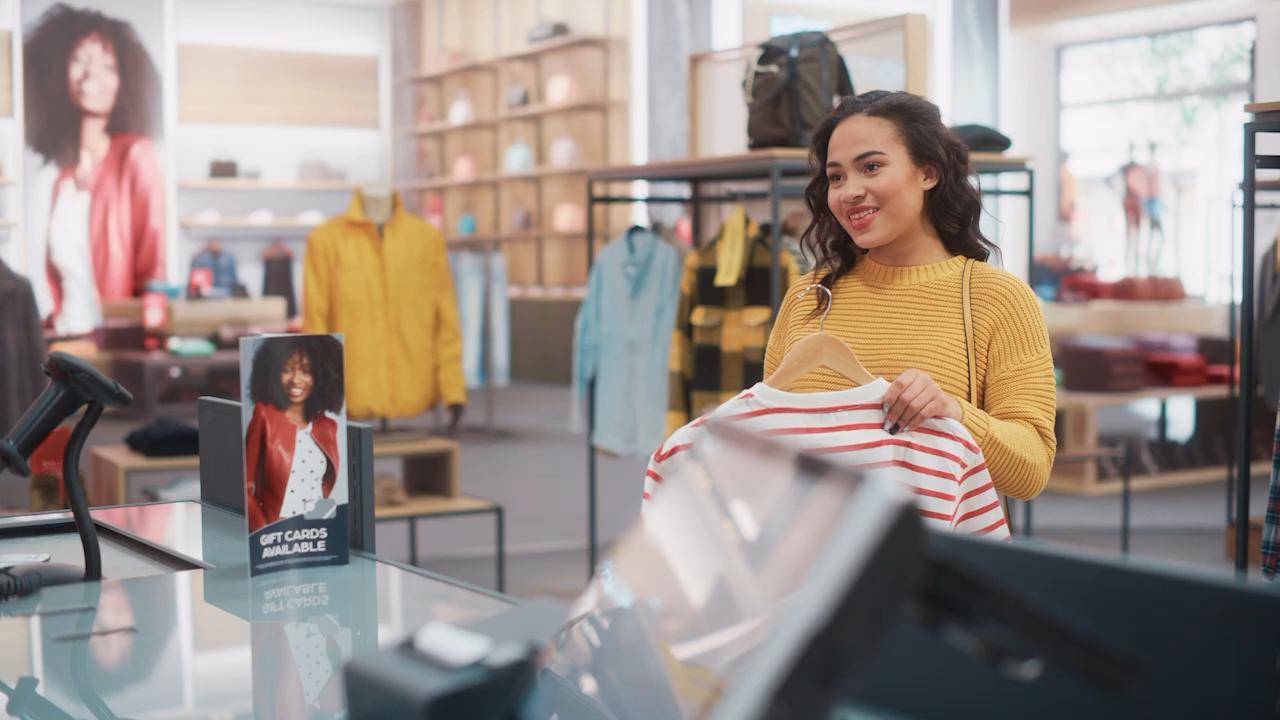

Retail POS Systems & Payment Processing in Wisconsin
Retail POS Systems & Payment Processing in Wisconsin
Retail POS Systems in Wisconsin: What Shop Owners Should Look For
A retail POS system is the operational center of your shop: checkout, inventory, customer records, and every card payment run through it. For Wisconsin’s independent retailers — boutiques, gift shops, hardware stores, bookstores, farm stores, and everything on a small-town main street — the right system saves hours a week. The wrong one costs you at the counter, in the back room, and on your processing statement.
Here’s how to evaluate retail POS options, what actually matters for a Wisconsin shop, and the processing question hiding inside every POS decision.
Match the System to Your Shop, Not the Ad
Retail POS platforms are not interchangeable. Start with how your store actually runs:
Inventory depth. A boutique with hundreds of SKUs and a hardware store with tens of thousands need very different inventory engines. Test the system with your real catalog size — matrix items (size/color variants), vendor catalogs, purchase orders, and low-stock alerts.
Barcode and checkout speed. Scanning, quick keys for unbarcoded items, and returns/exchanges that don’t require a manager override for every step.
Customer records and loyalty. Wisconsin independent retail runs on repeat customers. A system that tracks purchase history and supports a simple loyalty program turns your best asset — regulars — into measurable revenue.
Seasonality. If your shop swells for summer tourism or the holiday season, you need a system that adds a register or a mobile checkout station for the rush without new contracts, and reporting that compares this season against last.
Online and in-store together. If you sell online — even just local pickup orders — inventory should sync in one system, not live in two.
The Processing Question Inside Every POS Decision
Here’s the part retailers find out too late: many popular POS platforms lock you into their own payment processing. The software is the storefront; the processing is where they make their money.
That bundling has a real cost. Locked-in processing removes your ability to negotiate, and it’s usually flat-rate pricing — a single blended rate set high enough to cover premium rewards cards, which means everyday debit transactions (a big share of Wisconsin retail) are quietly overpriced. Our guides to [processing fees] and [interchange-plus vs. flat-rate pricing] explain the mechanics.
So before any POS demo ends, ask: “Can I choose my own payment processor with this system?” A yes preserves your leverage for the life of the system. A no means you’re not just buying software — you’re marrying a processor without seeing the pricing.
Questions to Ask Before You Sign
- Who owns the hardware — and what happens if I leave? Leased terminals with long terms can cost far more than buying outright.
- What does support actually look like? A Saturday-afternoon checkout failure in December needs a person, not a ticket queue. Ask where support is located and how fast it responds on weekends.
- What’s the full contract — term, auto-renewal, exit? In writing, before signature.
- What integrates natively? Accounting, e-commerce, loyalty — “integration available” and “works out of the box” are different answers.
- Will you review my current processing statement? If the POS provider also wants your processing, they should be willing to show you — line by line — what you’d pay. If they deflect, that’s your answer.
Why Wisconsin Retailers Work With a Local Provider
A local merchant services partner changes the retail POS equation in two ways. First, you get a recommendation across multiple systems instead of a pitch for the one platform a national rep is paid to sell — the fit follows your shop. Second, support means someone who has stood in your store, knows your setup, and picks up the phone during your busiest weekend — because their reputation in your community depends on it.
Motus Financial is a locally owned Wisconsin merchant services company. We help retailers across the state choose, install, and support POS systems — with transparent processing pricing you can audit, and a free statement review that shows exactly what you’re paying today.
Frequently Asked Questions
What’s the best POS system for a small retail store in Wisconsin?
There’s no single best — the right answer depends on inventory size, seasonality, and whether you sell online. The reliable method: list your top three operational pain points, then make every vendor demonstrate — on screen — how their system solves each one. A provider who carries multiple systems can match instead of pitch.
Can I use my existing POS and switch just the payment processing?
Depends on whether your system is processor-locked. Many are; many aren’t. Check your agreement, or bring it to us and we’ll tell you your options — if a switch makes sense, our guide to [switching processors without downtime] covers how retailers do it between business days.
Do I need a full POS, or is a simple card reader enough?
If you track inventory, have staff, or do meaningful volume, a real POS pays for itself in saved hours and better information. A basic reader fits a stall or a side business — the common mistake is outgrowing one and not noticing for years, usually on flat-rate pricing the whole time.
How should a seasonal Wisconsin shop handle the slow months?
Ask every vendor how pricing, contracts, and hardware work in your off-season before you sign. Some setups accommodate seasonality gracefully; others charge you all winter for a summer business. This is a normal ask — make it.
Thinking about a new system — or wondering what your current one really costs you? Motus Financial gives Wisconsin retailers a free, line-by-line statement review and a straight recommendation. Call 608-819-8666 or [contact us online].




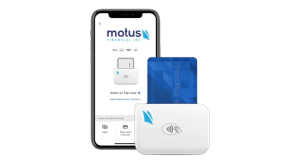
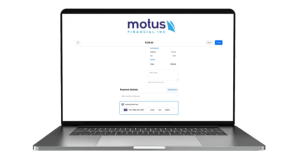
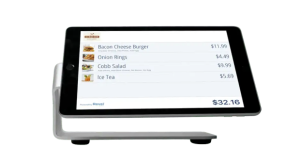 Our POS systems are designed to streamline in-store transactions. With features like inventory management, sales reporting, and customer tracking, our POS solutions help you run your business more efficiently. Our terminals are compatible with various payment methods, including chip cards, contactless payments, and mobile wallets.