
Toast Alternatives for Wisconsin Restaurants: POS, Fees, and Local Support
Toast Alternatives for Wisconsin Restaurants: POS, Fees, and Local Support
Toast is one of the best-known restaurant POS systems in the country, and plenty of Wisconsin restaurants run on it happily. Others are looking at Toast alternatives because of contract terms, processing costs, hardware they cannot reuse, or simply because they want someone local to call on a Friday night fish fry rush. This guide compares the main options fairly, explains what changes when you switch, and covers when staying with Toast is the right call.
Motus Financial sets up and supports restaurant POS and payments across Wisconsin, including Square, so we have a point of view. We have tried to keep this guide useful whether or not you ever talk to us. For our restaurant services, see restaurant payment solutions.
Key Takeaways
- Toast bundles the POS, its own hardware and its own payment processing. You cannot keep Toast and switch to an outside processor.
- The main Toast alternatives for independent restaurants are Square for Restaurants and Clover, plus restaurant-specific systems such as TouchBistro, Lightspeed and SpotOn.
- Compare four things: contract and exit terms, processing cost, hardware, and who answers when something breaks.
- Switching is a project, not a weekend. Plan menu setup, staff training and your contract end date first.
Why Wisconsin Restaurants Look Beyond Toast
The reasons we hear most often are practical rather than dramatic:
- Processing is locked in. Toast processes the payments that run through its system, and the rate is quoted for each restaurant. If you want to shop your processing rate, you have to change the whole system.
- Hardware does not move. Toast sells its own devices. If you leave, that hardware generally does not come with you to another system.
- Contract timing. Owners want to know what happens if a location closes, changes hands or simply wants out early.
- Support style. Some restaurants prefer a national help line. Others want a local person who knows their setup and can come in.
None of these makes Toast a bad system. They are simply the questions that decide whether it is the right system for your restaurant.

What to Compare: Contract, Processing, Hardware, Support
Whatever system you are looking at, put the same four questions to every salesperson and get the answers in writing.
- Contract and exit. How long is the term? Does it renew automatically? What is the cost to leave early, and what happens to the hardware?
- Processing cost. Is the rate flat, tiered or interchange-plus? Is it published or quoted? What are the monthly fees on top?
- Hardware. Can you buy it outright? Can you use iPads or standard tablets? Will it work with another processor later?
- Support. Who do you call at 7 p.m. on a Saturday? Is on-site help available, and what does it cost?
Our restaurant POS buying guide for Wisconsin covers the feature side: kitchen screens, menus, tabs, tips and reporting.
Toast Alternatives Worth a Look
Here is how the most common Toast alternatives compare on the points owners ask about most. Pricing and terms change often, so treat this as a starting point and confirm current details with each company.
| Toast | Square for Restaurants | Clover | |
|---|---|---|---|
| Built for | Restaurants only | Restaurants, cafes, bars; part of a wider Square system | Restaurants and retail |
| Hardware | Toast’s own devices | Square devices or a supported iPad | Clover devices |
| Payment processing | Toast only, rate quoted per restaurant | Square only, rates published on Square’s site | Through the bank or reseller that sets you up; rates vary by seller |
| Free software option | A starter option is offered; check current terms | Yes, a free plan, with paid plans for more features | Plans are set by the seller |
| Typical strengths | Deep restaurant features, multi-location tools | Fast setup, simple pricing, works well for counter service | Wide range of hardware and add-on apps |
Other restaurant-focused systems, such as TouchBistro, Lightspeed Restaurant and SpotOn, are also worth a demo if your restaurant has specific needs like complex floor plans or a large bar program. We compared a few of them in our post on restaurant POS systems in Madison.
Best Fit by Type of Restaurant
Quick service, cafes and food trucks
Speed at the counter and simple pricing usually matter most. Square for Restaurants is a common fit here. Our guide to Square POS for Wisconsin restaurants covers setup, fees and hardware.
Full service and supper clubs
Table management, coursing, split checks and tip handling come first. Toast is strong here, and so are Clover and the restaurant-specific systems. Demo the busiest part of your night, not the quietest.
Bars and taprooms
Tabs, pre-authorizations and fast reorders matter most. Our guide for Wisconsin breweries and taprooms lists the features to test.
Two or more locations
Central menus, combined reporting and shared gift cards become essential. Read what changes when you go from one location to two before you choose.

What Switching Actually Involves
Most restaurant POS switches take two to six weeks from decision to go-live. The usual steps are:
- Check your Toast agreement for the end date, renewal terms and any early exit cost.
- Export your menu, modifiers, item sales history and customer or gift card data before you cancel.
- Rebuild the menu in the new system and test it with your kitchen printers or screens.
- Train staff on a quiet day, then run both systems side by side for a shift if you can.
- Plan for gift cards and loyalty balances, which often do not transfer automatically.
Our POS migration checklist walks through each step in more detail.
When Staying With Toast Makes Sense
Switching costs time and money, so it only makes sense if the new setup is clearly better for you. Staying with Toast is often the right call if:
- Your staff know it well and service runs smoothly.
- Your effective processing rate is fair once you work it out. A quick way is to divide total fees by total card sales on a recent statement.
- You rely on Toast-specific features, such as its online ordering or multi-location tools.
- Your contract has a long time left and the exit cost outweighs the savings.
Toast Alternatives FAQ
Can I keep Toast and use a different payment processor?
No. Toast processes the payments that run through its own system, so changing processors means changing the POS as well. If processing cost is your main concern, ask Toast for a rate review first.
What is the cheapest Toast alternative?
It depends on your sales volume and card mix. Square for Restaurants has a free plan and published rates, which suits many small counter-service restaurants. Higher-volume restaurants may do better with a quoted rate. Compare total monthly cost, not just the headline rate.
Can I reuse my Toast hardware with another system?
Generally not. Toast hardware is built for Toast. Budget for new hardware when you compare, and check whether the new system lets you use standard iPads or tablets.
Will my menu transfer to a new POS?
Usually it has to be rebuilt, though you can export your item list and sales data from Toast to speed things up. A good setup partner will rebuild and test the menu before go-live.
What happens to gift card balances if I switch?
Gift card balances often stay with the old system. Plan ahead: honor old cards for a set period, or arrange a balance transfer if the new provider offers one.
How long does switching from Toast take?
Plan for two to six weeks, depending on menu size, number of terminals and staff training. Many restaurants switch in their slower season.
The Bottom Line
Toast alternatives are worth a look if your contract, processing cost, hardware or support no longer fit how your restaurant runs. Compare every option on the same four points, get the terms in writing, and time any switch around your contract end date and your slow season. If your current setup works and costs a fair amount, staying put is a perfectly good answer.
Not sure where your restaurant stands? Talk through your restaurant setup with Motus Financial. We will look at your current POS, statement and contract, and tell you plainly whether switching would help. For local POS options near you, see POS systems in Madison, WI.





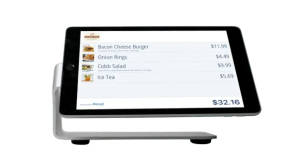 Our POS systems are designed to streamline in-store transactions. With features like inventory management, sales reporting, and customer tracking, our POS solutions help you run your business more efficiently. Our terminals are compatible with various payment methods, including chip cards, contactless payments, and mobile wallets.