

Chargebacks — A Wisconsin Small Business Guide
Chargebacks — A Wisconsin Small Business Guide
Chargebacks: The Plain-English Guide for Wisconsin Small Businesses
A chargeback is a payment reversal initiated by the customer’s bank — the cardholder disputes a charge, the bank claws the money back from your account, and you’re left to either accept the loss or fight it. For small businesses, chargebacks sting three times: you lose the sale, you usually lose the product or the labor, and you pay a dispute fee on top. Pile up too many relative to your volume, and your ability to accept cards at all can be put at risk.
The good news: most chargebacks are preventable, and the ones that aren’t are often winnable. Here’s how the system works and what to do on both ends.
Why Chargebacks Happen
Chargebacks fall into three buckets, and the response is different for each:
True fraud. A stolen card number was used. The cardholder is a genuine victim, and the dispute is legitimate — your defense here is prevention, not fighting.
Friendly fraud. The cardholder made the purchase but disputes it anyway — sometimes dishonestly, more often out of confusion: they don’t recognize the business name on their statement, a family member made the purchase, or disputing felt easier than requesting a refund. This is the largest and most fightable category.
Merchant error. Duplicate charges, wrong amounts, items not delivered as described, or a subscription that kept billing after cancellation. These are on you — and they’re the cheapest to fix at the source.
Prevention: Where the Real Money Is
Fighting chargebacks is a recovery play. Preventing them is a margin play. The highest-leverage habits:
Make your statement descriptor recognizable. If your legal entity name differs from your storefront name, customers won’t recognize the charge — and unrecognized charges become disputes. Ask your processor to set the descriptor to the name on your sign, ideally with a phone number.
Take payments the secure way. Chip and tap transactions shift fraud liability appropriately and are far harder to dispute as fraud than swiped or keyed entries. If you’re still keying in cards at the counter, fix that this week.
Get proof of delivery and agreement. Signatures on large tickets, delivery confirmation on shipped goods, written scopes and change orders for contractors, clear cancellation terms for anything recurring — evidence gathered before a dispute is worth ten times evidence assembled after.
Answer your phone and post your policies. A customer who can reach you asks for a refund; one who can’t calls their bank. Clear, visible return and cancellation policies — on receipts, invoices, and your website — both reduce disputes and win the ones that happen anyway.
Refund fast when you’re wrong. A prompt refund costs the sale. A chargeback costs the sale, the fee, and a mark on your dispute ratio.
Fighting a Chargeback: The Process
When a dispute lands, you’ll be notified with a reason code and a deadline. The process, simplified:
- Read the reason code. It tells you exactly what the cardholder claims — and therefore exactly what evidence rebuts it.
- Decide fast whether to fight. If the dispute is legitimate or the evidence is thin, accept it and fix the root cause. If you have proof, fight — merchants who respond with organized evidence win far more often than merchants assume.
- Submit targeted evidence. Receipt or signed invoice, proof of delivery or service completion, communications with the customer, your posted policy, and anything matching the specific reason code. Organized and on time beats voluminous and late.
- Track the outcome. Win or lose, log it — patterns in your disputes tell you which prevention habit to tighten.
Deadlines in this process are short and unforgiving. This is a place where your processor matters: a local provider will walk you through a dispute response the same day you call. A national queue will send you a link.
When Chargebacks Threaten the Business Itself
Card networks monitor every merchant’s dispute ratio. Sustained high ratios trigger monitoring programs with escalating consequences — up to losing card acceptance. If disputes are climbing, treat it as urgent: identify the pattern (one product? one sales channel? one descriptor problem?), fix the source, and get your processor involved early. This is solvable, but only proactively.
Frequently Asked Questions
How long do I have to respond to a chargeback?
Deadlines vary by card network and dispute stage, and they’re short — act the day you’re notified, not the week after. Your processor can tell you the exact window for each case.
Is it worth fighting small chargebacks?
Usually yes, when you have evidence — not for the dollars, but because your dispute ratio counts every chargeback regardless of size, and unchallenged disputes teach repeat abusers that your business is easy money.
Can I just ban a customer who filed a chargeback?
You can decline future business, and for serial abusers you should. But first check whether it was really friendly fraud or a fixable confusion — an unrecognizable statement descriptor turns good customers into “fraudsters” every day.
Does my processor decide who wins a dispute?
No — the cardholder’s bank does, under card network rules. Your processor’s role is getting your evidence into the process correctly and on time, which is why a responsive one is worth having before you need it.
Fighting a dispute right now, or watching your chargeback count climb? Motus Financial helps Wisconsin businesses tighten prevention and respond to disputes — with a local team that picks up the phone. Call 608-819-8666 or [contact us online].






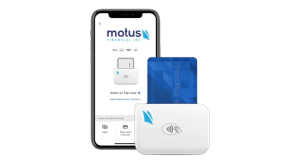
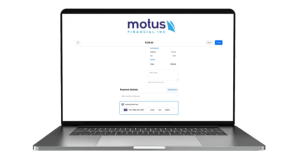
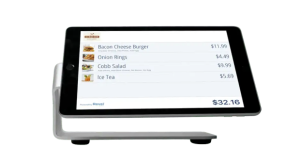 Our POS systems are designed to streamline in-store transactions. With features like inventory management, sales reporting, and customer tracking, our POS solutions help you run your business more efficiently. Our terminals are compatible with various payment methods, including chip cards, contactless payments, and mobile wallets.