

Home Services Payment Processing: HVAC, Plumbing & Electrical Contractors in Wisconsin
Home Services Payment Processing: HVAC, Plumbing & Electrical Contractors in Wisconsin
An HVAC, plumbing, or electrical contractor rarely collects payment at a counter. It happens in someone’s basement, driveway, or backyard, often at the end of a job that started as an estimate and grew once the technician found the real problem. That workflow needs mobile payment processing that works without reliable Wi-Fi, handles deposits and final invoices as separate events, and – for bigger jobs like a furnace replacement or panel upgrade – ideally offers a financing option at the point of sale. Here is what to look for in HVAC, plumbing & electrical payment processing.
Key Takeaways
- Field technicians need a mobile card reader that works over cellular data, not just Wi-Fi, since many job sites – basements, rural properties, new construction – have unreliable wireless.
- Deposit-then-final-invoice billing is standard for larger jobs. The payment system should handle a partial charge at scheduling and a final charge at completion without manual workarounds.
- Same-day and next-day funding matters more for contractors than most small businesses, since cash flow between jobs, and between material purchases, is tighter.
- Point-of-sale financing options for a $6,000 furnace or $3,000 panel upgrade can measurably increase close rates on big-ticket jobs when offered at the estimate stage, not after the fact.
- Integration with field service management software (ServiceTitan, Housecall Pro, Jobber, and similar) eliminates double-entry between the invoice and the payment record.
Why Mobile-First Payment Processing Is Different for Field Trades
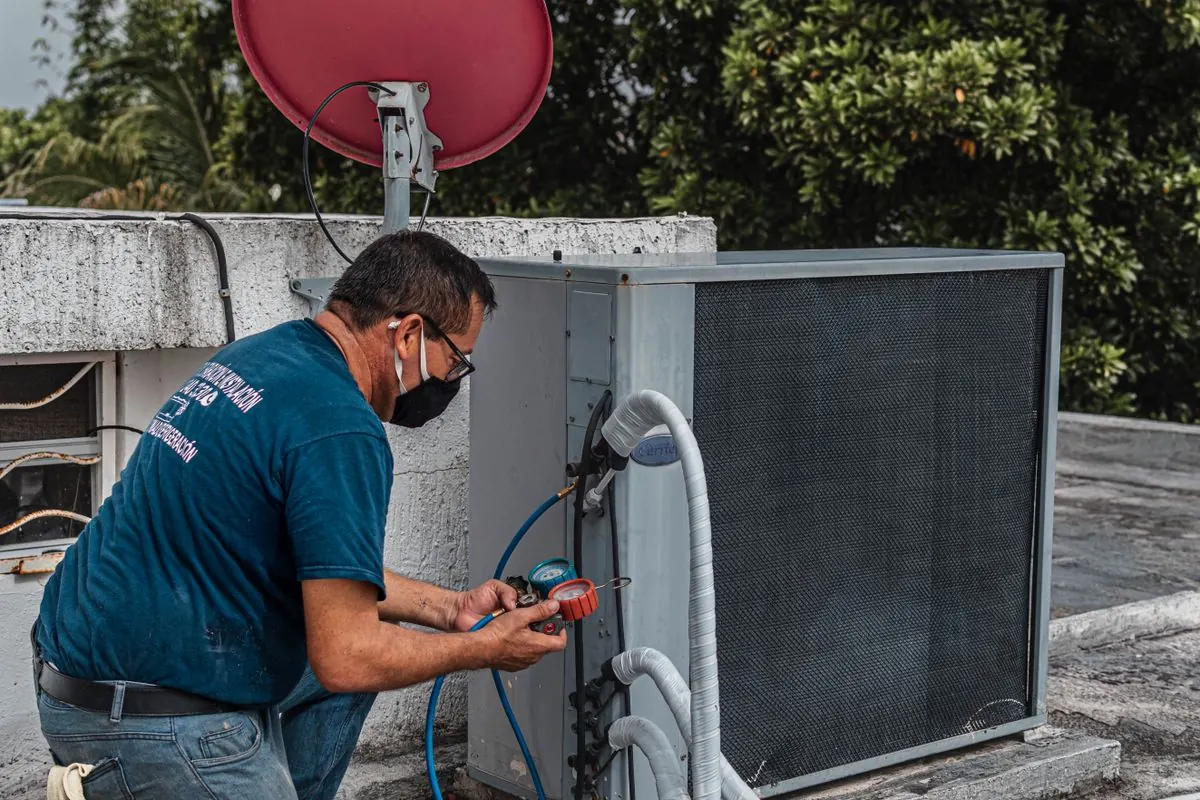
A retail business takes payment at a fixed location with reliable internet. A field trade takes payment wherever the job happens to be: a basement with no cell signal, a rural property outside town, a new-construction site with no Wi-Fi set up yet. This changes the equipment requirements in a specific, practical way. A mobile card reader that only works over Wi-Fi is a liability in this business, while one that falls back to cellular data through the technician’s phone keeps working almost everywhere a truck can reach.
For technicians running multiple jobs a day, look for:
- A reader that pairs with a phone or tablet app and works over cellular when Wi-Fi is not available
- EMV chip and tap-to-pay support, not just magstripe swipe, for lower chargeback liability and faster customer-side transactions
- Offline transaction capability that queues a charge and processes it once connectivity returns, for the rare true dead zone
Our step-by-step guide to setting up a wireless credit card terminal covers the setup in practice.
Deposits, Change Orders, and Final Invoices: One Workflow, Not Three
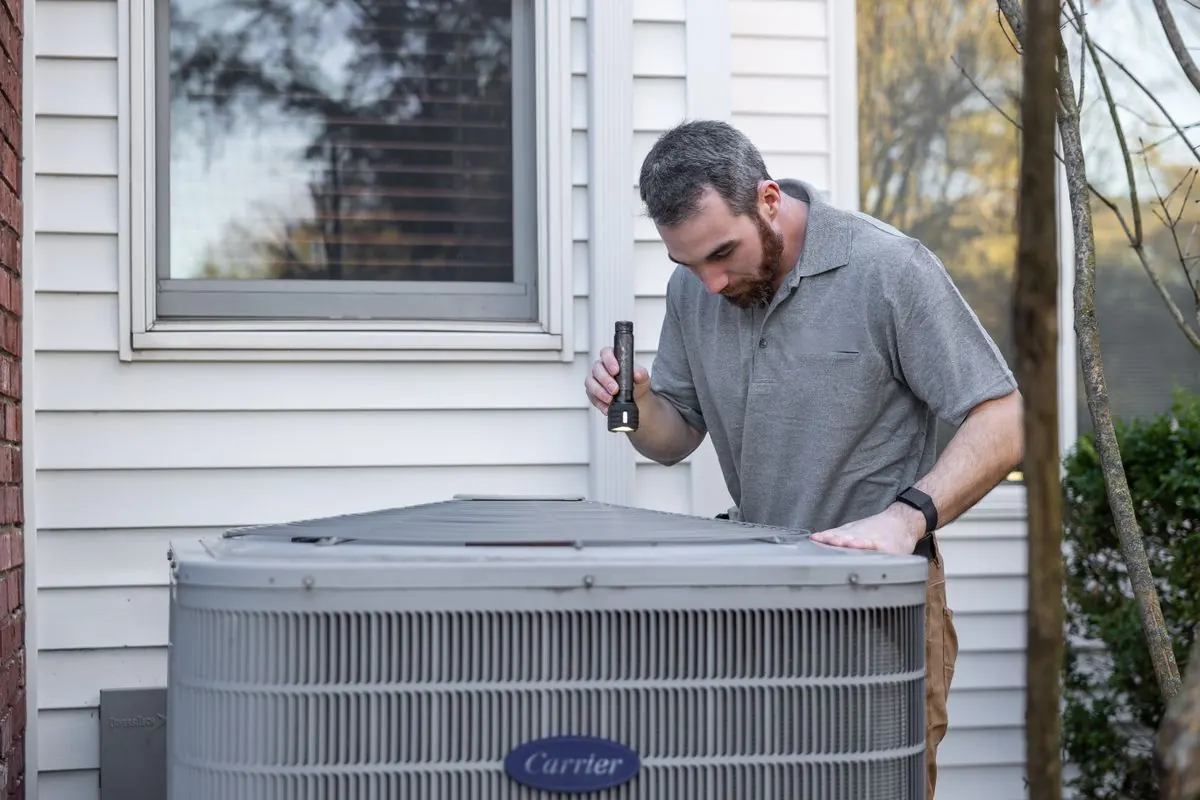
Most home-service jobs above a certain size involve more than one payment event: a deposit to schedule or order equipment, possibly a change order if the job scope grows once work starts – a common reality in older Wisconsin homes with surprises behind the walls – and a final payment on completion. A payment system built for this business handles all three without forcing office staff to manually track partial payments in a spreadsheet:
- Deposit at scheduling. Charged or authorized when the job is booked, often through a link sent to the customer rather than requiring a technician on-site.
- Change order billing. An additional charge mid-job when scope changes, ideally logged against the same job record as the original deposit.
- Final invoice at completion. The remaining balance, charged in the field via mobile reader or sent as a payment link if the customer is not present at job completion.
Funding Speed: Why It Matters More for Contractors
Most small businesses can absorb a two-day gap between a sale and the funds landing in their bank account. A contractor buying materials up front for a job – a furnace, a water heater, panel components – often cannot, especially a smaller shop running tight on working capital between jobs.
Same-day or next-business-day funding is not a nice-to-have for this business type the way it might be for a retailer. It directly affects whether the next job’s materials get purchased on time. We cover the wider picture in improving cash flow with faster payment processing.
Point-of-Sale Financing for Big-Ticket Jobs
A furnace replacement, a full panel upgrade, a tankless water heater install – these routinely run $3,000 to $10,000 and above, well beyond what many homeowners want to, or can, pay in a single card charge. Offering installment financing directly at the estimate stage, not as an afterthought once the customer has already balked at the total, is one of the more measurable ways contractors report improving close rates on larger jobs.
The financing itself is typically provided through a third-party lending partner integrated with the payment platform, with the contractor getting paid in full up front regardless of the customer’s repayment schedule.
Average Ticket Size by Trade: Why It Changes the Right Setup
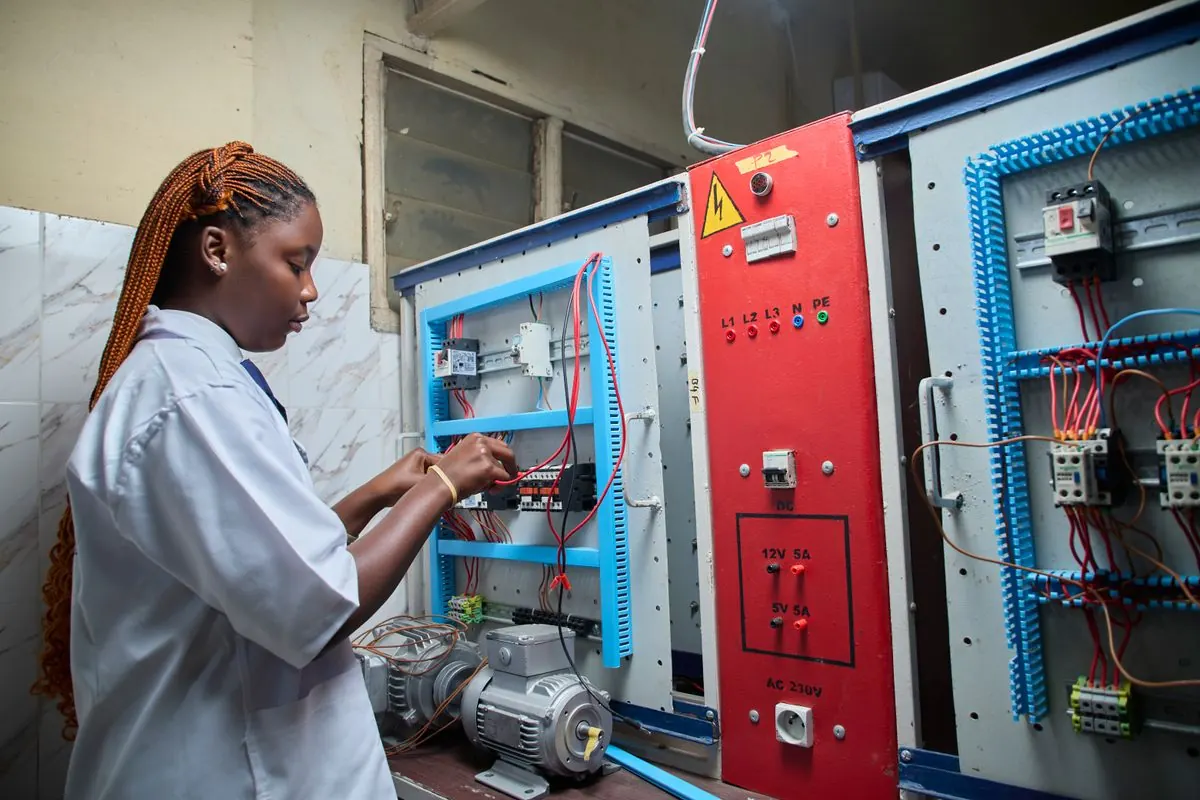
Home service trades do not all have the same payment profile, and the right processor setup follows from that:
| Trade | Typical ticket range | Payment priority |
|---|---|---|
| Plumbing (repair and service calls) | $150-$800 | Fast mobile checkout, low friction |
| Electrical (service calls to panel work) | $200-$4,000+ | Mobile checkout plus financing for larger jobs |
| HVAC (repair to full system replacement) | $300-$12,000+ | Financing at estimate stage, deposit and final split |
| Plumbing (major re-pipe, water heater) | $1,500-$6,000 | Deposit at scheduling, financing option |
A shop doing mostly quick repair calls should prioritize a mobile reader that is fast and reliable above all else – financing barely matters at a $200 ticket. A shop doing full HVAC system replacements should prioritize financing integration and deposit and final invoice handling, since that is where a clunky payment process actually costs closed deals. Our guide to credit card processing for Wisconsin contractors covers the fundamentals across trades.
Wisconsin Seasonality: HVAC’s Two Busy Seasons vs. Plumbing’s Steadier Year
HVAC contractors in Wisconsin see two distinct demand spikes, a summer AC season and a winter furnace season, with real revenue troughs in spring and fall. Plumbing and electrical work tends to run steadier year-round, though plumbing sees a predictable bump around freeze events and burst pipes in the coldest months.
This matters for payment processing in a specific way. HVAC contractors have a stronger case for negotiating no-minimum-fee or low-minimum-fee processing terms, since a processor charging a flat monthly minimum regardless of volume is a much bigger relative cost during a slow shoulder season than it is for a plumber with steadier year-round volume. See our guide to payment processing for seasonal Wisconsin businesses.
Financing Conversations: What to Say at the Estimate, Not After
The point at which financing gets mentioned matters more than most contractors expect. Bringing up a payment plan only after a customer has visibly hesitated at the total reads as a consolation prize. Mentioning it as a standard option while walking through the estimate – “most customers either pay in full or use one of our financing options, here is what that looks like” – normalizes it and tends to keep the conversation focused on the right system rather than the sticker shock of the full price.
This is a sales-process point as much as a payment-processing one, but it only works if the financing option is actually integrated and ready to present on the spot, not something the office has to set up separately after the visit.
HVAC, Plumbing & Electrical Payment Processing FAQ
Do mobile card readers work without Wi-Fi at a job site?
Modern mobile readers that pair with a phone app can typically process over the phone’s cellular data connection, not just Wi-Fi. Worth confirming with a specific device, since not all readers support this equally well, especially in true rural dead zones.
Can we charge a deposit and a separate final payment on the same job?
Yes, with a payment platform that supports partial or deposit billing tied to a job record. This is standard functionality in most field-service-oriented payment systems, though not universal across every basic mobile card reader.
How fast can we access funds after a job payment?
This varies by processor. Some offer same-day or next-business-day funding, others take two to three business days by default. Given how cash-flow-sensitive material purchasing is for contractors, this is worth asking about specifically rather than assuming.
Does offering financing cost the contractor anything?
Financing programs vary. Some charge the contractor a fee, often a percentage of the financed amount, in exchange for being paid in full up front while the customer pays over time. Others structure costs differently. Compare the specific terms before signing up with a financing partner.
Can our payment system integrate with ServiceTitan, Housecall Pro, or Jobber?
Many modern payment processors offer direct integrations with common field service management platforms. Confirm the specific integration exists, and what it actually syncs – payment status, invoice amounts, customer records – before assuming compatibility.
What is the risk of taking a card number over the phone instead of in person?
A manually keyed, card-not-present transaction generally carries higher chargeback liability for the merchant than a card-present EMV chip or tap transaction. Worth using an in-person tap or chip transaction, or a secure payment link over the phone when possible, rather than manually keying numbers.
Do we need different equipment for a one-person shop versus a multi-truck operation?
The core equipment, a mobile reader paired to a phone or tablet, works the same regardless of shop size. What changes at scale is the back-office need for centralized reporting across multiple technicians’ devices, and for a field service management integration that keeps everyone’s invoices and payments in one place rather than scattered across individual phones.
Is it worth accepting cards for small service calls, or just cash and check?
Most contractors find that offering card payment increases both close rate and average ticket. Customers are more likely to approve an upsell such as a filter upgrade or an added part when they are not mentally tracking cash on hand. The processing cost on a $150 service call is small relative to the convenience and upsell benefit for most shops.
Getting Set Up Without Disrupting an Already-Busy Season
For most Wisconsin home service trades, there is no truly slow season to schedule a payment system switch around. HVAC has two busy seasons, plumbing sees steady demand with cold-weather spikes, and electrical work is fairly consistent year-round.
The practical approach is picking the least disruptive window – often late spring for HVAC, between the winter furnace season and summer AC season – and making sure new hardware is tested and technicians are trained before it goes live in the field, rather than rolling out a new system mid-rush and discovering gaps during a customer’s job. Our guide on how to switch credit card processors covers the sequencing.
What to Look for in a Wisconsin-Based Payment Partner
A national payment processor selling to contractors everywhere from Florida to Alaska has no particular reason to understand that a Wisconsin HVAC contractor’s slowest month is probably April or October, or that a plumber here needs a payment workflow ready for a burst-pipe emergency call in January that a warm-climate plumber never has to plan for.
A processor with actual experience serving Wisconsin trades – one that has already configured mobile processing, deposit workflows, and financing integrations for contractors dealing with these same seasonal patterns – tends to set up a shop’s account faster and with fewer surprises than a generalist walking through the same conversation for the first time. If you are comparing options, start with our breakdown of credit card processing fees in Wisconsin and our overview of credit card processing in Madison.





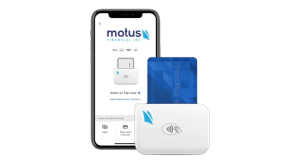
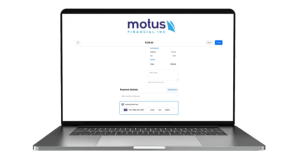
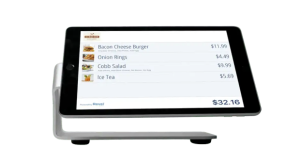 Our POS systems are designed to streamline in-store transactions. With features like inventory management, sales reporting, and customer tracking, our POS solutions help you run your business more efficiently. Our terminals are compatible with various payment methods, including chip cards, contactless payments, and mobile wallets.