

Payment Processing for Seasonal & Tourism Businesses in Wisconsin
Payment Processing for Seasonal & Tourism Businesses in Wisconsin
Wisconsin runs on seasons. The Dells fill up Memorial Day through Labor Day. Lake country restaurants do a summer’s worth of business in fourteen weekends. Supper clubs pack out for Friday fish fry year-round but triple in July. Farm stands, orchards, and pumpkin patches live in a ten-week window. Ski hills and snowmobile-country taverns flip the calendar entirely.
Most payment processing, though, is built for businesses that hum along evenly all year — and a seasonal business signed to a year-round setup pays for that mismatch in three places: fees during dead months, hardware that can’t scale for the rush, and contracts written for someone else’s calendar. Here’s how to set up payments for a business that peaks.
The Three Mistakes Seasonal Businesses Make
Paying twelve months for a four-month business. Monthly account fees, PCI fees, equipment leases, and minimums keep billing in February whether your gates are open or not. Before signing anything, ask directly: “What do I pay in my off-season, and can the account go dormant?” Some providers accommodate seasonality gracefully; others quietly count on you not asking.
Under-building for the peak. Seasonal revenue is compressed — a line that walks away on a July Saturday isn’t coming back in November. Your setup should scale for the rush: extra mobile readers or checkout stations you can activate for peak weekends, offline capability for when rural or lakeside connectivity drops, and hardware that works outdoors, in sun, on battery.
Signing peak-blind contracts. A multi-year term with an early-termination clause reads very differently when your entire revenue arrives in one quarter. Get the term, the auto-renewal, and the exit provisions in writing — and read them against your actual calendar.
Getting Paid Wherever the Season Happens
Seasonal Wisconsin commerce rarely happens at a countertop. The toolkit:
Mobile readers for farm stands, festival booths, market stalls, boat rentals, and anywhere your customer is standing in a field or on a dock. Tap-to-pay on a phone means a forgotten reader doesn’t cost you a day’s sales.
Offline mode that actually works. Lakeside and rural connectivity is a fact of Wisconsin life. Confirm — specifically — what your system does when the internet drops mid-transaction, and test it before the season starts, not during it.
Fast, simple checkout for temporary staff. Your July crew was hired in June. The point of sale needs to be learnable in one shift, with modifiers and pricing your seasonal staff can’t accidentally break.
Tabs, tips, and reservations for the hospitality side — patio bars, supper clubs, resort restaurants — where summer service is table service, just faster and fuller.
Pricing for a Business That Peaks
Compressed volume changes the pricing math. Flat-rate processing — one blended rate on everything — is priced to cover premium cards, which means high-volume weeks of everyday debit transactions are quietly overpaying at the moment you can least afford it; our [interchange-plus vs. flat-rate guide] explains the mechanics. Transparent pass-through pricing typically favors businesses with real volume, and a seasonal peak is exactly that — concentrated.
The honest way to know is a statement review from your last peak season: what you paid, line by line, and what the same weeks would have cost on a different structure. We do that review free for Wisconsin businesses — and if your setup is already fair, we’ll say so.
Before the Season: A Short Checklist
- Confirm off-season costs in writing (fees, minimums, lease payments, dormancy options)
- Test every reader, terminal, and offline mode two weeks before opening
- Set your statement descriptor to the name on your sign (unrecognized charges become [chargebacks])
- Add capacity for peak weekends — readers, stations, and backup batteries
- Train seasonal staff on payments during onboarding, not on opening day
- Book a statement review from last season while there’s time to switch cleanly
Frequently Asked Questions
Can I pause my merchant account in the off-season?
Some providers offer seasonal or dormant account arrangements; others keep billing year-round. Ask before you sign, get the answer in writing, and treat a vague answer as a no.
What’s the best way to take payments at a farmers market or festival in Wisconsin?
A mobile reader paired with a phone or tablet — with tap-to-pay enabled, offline mode confirmed, and a battery plan. Cash-only costs you the growing share of customers who simply don’t carry it.
When should a seasonal business switch processors?
In the off-season, always — there’s time to install, test, and train with zero revenue at risk. Our guide to [switching without downtime] applies doubly here: the best switch is the one finished a month before you open.
Is card acceptance worth it for a short-season, small-ticket business?
Almost always. The setup is modest, and the alternative — turning away cashless customers during the only weeks you earn — is the most expensive policy a seasonal business can have.
Getting ready for your season — or just finished one and wondering what it cost you? Motus Financial sets up and supports payments for seasonal businesses across Wisconsin, from the Dells to the lake country. Call 608-819-8666 or [contact us online] for a free statement review.





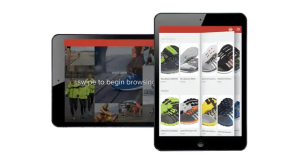
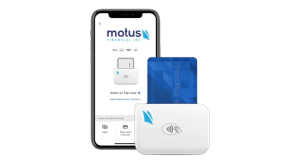
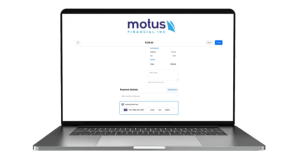
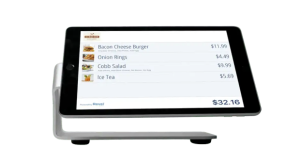 Our POS systems are designed to streamline in-store transactions. With features like inventory management, sales reporting, and customer tracking, our POS solutions help you run your business more efficiently. Our terminals are compatible with various payment methods, including chip cards, contactless payments, and mobile wallets.