
Merchant Services in Madison, WI: How to Compare Providers Without Getting Played
Merchant Services in Madison, WI: How to Compare Providers Without Getting Played
Madison has no shortage of merchant services options. Some are solid. Some are basically a fee delivery system with a customer service email address.
This guide is about comparing providers the right way, without getting sucked into the rate conversation that every salesperson wants to trap you in.
For the Motus service page that matches this topic directly, see: Merchant services in Madison
Quick answer: a good merchant services provider makes pricing easy to verify, contracts easy to leave, and support easy to reach. If a provider can’t do those three things, the rest is decoration.
Note: If you want the deeper breakdown of interchange, markup, and how funding times work, the January post already owns that lane. Start here: Credit card processing in Madison (fees + funding times + questions)
Key takeaways
- Don’t compare providers by the “rate.” Compare them by support, contract terms, and fee transparency.
- A provider that won’t show you the full cost structure up front is not going to become honest later.
- The fastest way to make a smart switch is to run a simple side by side comparison using your real statements.
The part nobody tells you: “rates” are the wrong comparison
Two providers can quote the same “rate” and cost wildly different amounts by the end of the month.
If you only compare the rate, you miss:
- how fees show up on the statement
- what happens after the intro period
- whether you are locked in
- what support looks like when something breaks mid rush
So let’s compare the things that actually matter.
Signs you are probably overpaying (move this higher, because it gets searched)
If any of these are true, your statement is worth a second look:
- your effective rate swings up and down every month with no clear reason
- you have a pile of small monthly fees that add up fast
- you’re paying for “tools” you don’t use (gateway, reporting package, add ons)
- you are in an equipment lease that makes no financial sense
- you can’t get a straight answer without being transferred three times
The provider comparison checklist (use this for every quote)
Print this. Screenshot it. Tattoo it on a clipboard. Whatever works.
1) Pricing transparency
Ask:
- “Will you show me interchange plus pricing and your markup clearly?”
- “Can you walk me through a sample statement line by line?”
- “What are the monthly fees and what triggers them?”
If they dodge, that’s the answer.
2) Contract terms you can live with
Ask:
- “Is there a term contract?”
- “Is there an early termination fee?”
- “Is there liquidated damages language?”
A contract is not always evil. A contract that punishes you for leaving is.
3) Equipment: own it, rent it, or regret it
Ask:
- “Am I buying equipment, renting monthly, or signing a multi year lease?”
- “If I leave, do I keep the equipment and can I reuse it?”
- “Is the POS hardware locked?”
Leases often look small monthly and end up being the most expensive choice long term.
4) Support you can actually reach
Ask:
- “What are support hours?”
- “Do I call a person or submit tickets?”
- “What happens when I have a failed batch, duplicate charge, or chargeback?”
If your business runs evenings and weekends, support that disappears at 5 pm is not support.
5) Setup and onboarding
Ask:
- “Who sets up my terminals, POS, and reporting?”
- “Do you train my staff?”
- “How long does a switch actually take?”
A “quick switch” that turns into three weeks of chaos is not a win.
6) Fit: does this provider match how you get paid?
This is where Madison businesses get stuck.
If you are:
- retail: you need clean inventory and returns
- restaurant: you need modifiers, tips, split checks, and speed
- service business: you may need invoices, deposits, and a virtual terminal
- hybrid: you need everything to reconcile without drama
If a provider can’t describe the setup in plain English for your business type, they’re guessing.
Bank programs vs local providers (no trash talk, just reality)
Banks can be convenient. They can also be slow, bundled, and hard to audit.
Local providers win when they:
- match the tech to how you operate
- simplify reconciliation
- respond fast when something breaks
The right choice is the one that keeps you paid and keeps your staff sane.
The “switching” plan that avoids downtime
If you are changing providers, the order matters:
- confirm contract exit terms with your current provider
- map your payment scenarios (in person, phone, invoice, online)
- choose equipment and software that fits those scenarios
- test transactions before you go live
- verify deposits and reporting in week one
FAQs
How do I compare merchant services providers in Madison, WI?
Use your real statements and compare transparency, contracts, equipment terms, and support. Rates alone are not a reliable comparison.
Should I switch merchant services providers if my rate seems high?
Maybe. First look at the effective rate and the fee stack. Often the problem is hidden monthly fees, leased equipment, or a setup mismatch, not the base pricing.
What is the biggest red flag when shopping for merchant services?
A provider who won’t explain costs clearly and won’t provide terms in writing before you sign.
Next step
If you want a simple side by side comparison using your real processing statement, start here: Contact Motus Financial
Looking for a local provider? See our merchant services in Madison, WI — transparent pricing and support from a team based in the Madison area.





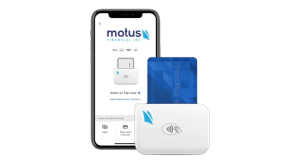
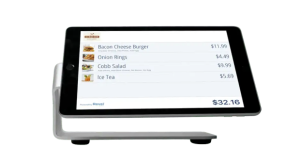 Our POS systems are designed to streamline in-store transactions. With features like inventory management, sales reporting, and customer tracking, our POS solutions help you run your business more efficiently. Our terminals are compatible with various payment methods, including chip cards, contactless payments, and mobile wallets.