
Credit Card Processing in Madison, WI: Fees, Funding Times, and What to Ask Before You Sign
Credit Card Processing in Madison, WI: Fees, Funding Times, and What to Ask Before You Sign
Key takeaways
- Processing costs are card network fees plus your processor markup, so low rate ads rarely tell the full story.
- Funding times depend on batching habits, transaction type, and risk settings.
- The best partners make your statement easier to understand, not harder.
Madison is the kind of place where a business can feel like a neighbor. You see the same faces at the coffee shop. You run into customers at the grocery store. You do a pop up or a weekend market and suddenly a stranger is your regular.
It is also the kind of place where payment processing can quietly become a tax on your success. The busier you get, the more you pay. If you do not understand what you are paying for, you cannot control it.
Quick answer: ignore teaser rates and focus on pricing structure, total monthly costs, deposit timing, and support. Those are the levers that actually change your reality.
For the Madison service page that matches this intent, see: Credit card processing in Madison, WI
What you are really paying for
Most processing costs have two layers.
First is the card network and issuing bank costs. Visa, Mastercard, Discover, and American Express set rules and fees based on card type, rewards level, and how the transaction is run. You cannot negotiate those.
Second is your processor markup. That is the part you can shop, compare, and audit. This is where interchange plus, flat rate, and tiered pricing show up.
Interchange plus pricing: Why it often wins
Interchange plus is often the most transparent option.
Interchange is the base card cost. The plus is your processor markup shown separately. That separation is the whole point, because you can see what is changing and why.
Tiered pricing and flat rate can work in limited cases, but they often blend costs in a way that makes comparison harder.
The fees everyone forgets about
People focus on the percentage and ignore the smaller charges. That can be expensive, especially for lower ticket businesses.
Common extras include monthly account or platform fees, PCI related fees, gateway or virtual terminal fees, chargeback fees, batch fees, and equipment rental or add ons.
If you accept payments online or take payments by phone, a virtual terminal is often part of the fee story: Virtual terminals
Funding times: What next day actually means
Funding time is how fast money lands in your bank after a customer pays. Some businesses see next business day deposits. Others see a two day rhythm. Some see holds when activity changes.
What affects it includes when you close out and batch, your mix of keyed in versus in person transactions, ticket size and refund patterns, whether the account is new or sees sudden volume spikes, and how your bank posts deposits.
Ask your provider to explain deposits for your exact business type and what triggers holds, before you sign.
Equipment and POS: Another place fees hide
Your terminal, reader, or POS can be a silent source of monthly cost.
You might be paying for licensing, add ons for reporting or online ordering, or priority support.
Processing and POS are not separate decisions. They affect each other.
If you run a restaurant or bar, this Madison POS page is a useful companion: POS systems in Madison, WI
What to ask before you sign anything
These questions cut through the noise quickly.
- What pricing model are you recommending, and why?
- What is your markup in plain terms, not just percentages?
- Are there monthly minimums or platform fees?
- What is the contract term, and what happens if I leave?
- Are there PCI compliance charges, and what do they include?
- How do deposits work for my business type?
- What triggers a hold, and how is it resolved?
- What support do I get when something breaks on a weekend?
Local support matters more than people admit
When a terminal goes down during a lunch rush, you do not want to be a support ticket. You want a fix.
For the broader Madison merchant services context, it is here: Madison, Wisconsin merchant services
What good looks like
A good setup should feel straightforward.
Your statement makes sense. Pricing matches your transaction style. Deposits are predictable. Equipment fits how your team works. When something goes wrong, you know who to call and they help.
If your processing feels like a mystery, that is not normal. It is just common. And it is fixable.
FAQs
What is the best pricing model for credit card processing in Madison, WI?
It depends on transaction mix, but interchange plus is often easiest to audit because markup is separate.
How fast should deposits arrive?
Many businesses see next business day deposits, but timing depends on batching habits, transaction type, and settings.
Why do fees change month to month?
Card mix changes, the ratio of keyed in versus tapped shifts, and add on fees can change totals. A statement review shows why.
Can I lower processing fees without changing how customers pay?
Often yes. Better pricing structure, statement cleanup, and matching equipment to workflow can reduce costs.
Is local support actually important for merchant services?
When something breaks during business hours, support speed can matter more than a tiny rate difference.
Next step
If you want a clearer statement and a cleaner setup, start here: Contact Motus Financial





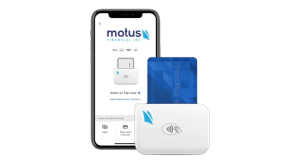
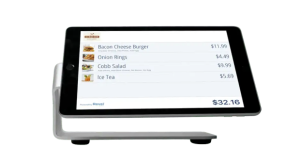 Our POS systems are designed to streamline in-store transactions. With features like inventory management, sales reporting, and customer tracking, our POS solutions help you run your business more efficiently. Our terminals are compatible with various payment methods, including chip cards, contactless payments, and mobile wallets.