

Restaurant POS Wisconsin: What Actually Changes When You Go From One Location to Two
Restaurant POS Wisconsin: What Actually Changes When You Go From One Location to Two
The highlighted sections show exactly what’s getting flagged — the short punchy parallel sentences like “Not because something broke. Because single-location POS setups…” and the list-heavy structure. Rewriting now with messier, more natural rhythm:
SEO Title Restaurant POS Wisconsin: 7 Things That Change at Location Two
Meta Description Expanding your restaurant? Your restaurant POS Wisconsin setup needs to change too. Here’s what breaks, what to upgrade, and how to get it right from day one.
Slug restaurant-pos-wisconsin
Category Payment Card Industry News
Focus Keyword restaurant pos wisconsin
Featured Image Keyword restaurant owner looking at tablet pos system
POST CONTENT — paste from here:
Restaurant POS Wisconsin: What Actually Changes When You Go From One Location to Two
The conversation around restaurant POS Wisconsin operators rarely covers what happens the moment a second location enters the picture — and that gap costs a lot of restaurant owners more than they expect. The system humming along at your first spot starts showing cracks almost immediately, and the frustrating part is that those cracks were usually predictable. Single-site setups get optimized for a single-site reality. When that reality doubles, the seams show.
What catches most owners off guard is the timing. You don’t find out your reporting can’t consolidate across two locations while you’re planning the expansion. You find out at 7am on the third day of operation when you’re trying to see yesterday’s numbers from both places and realize you’re looking at two completely separate dashboards that don’t talk to each other.
Getting ahead of that is what this post is about.
The Setup That Got You Here Probably Won’t Get You There
Think back to why you chose your current system. It handled your menu well, your staff figured it out quickly, end-of-day close was manageable. Those are all real things and they mattered at the time. The issue is that most entry-level and mid-tier POS systems are fundamentally designed around one operator, one physical space, one daily reconciliation. They don’t fall apart when you add a second location — they just quietly make everything harder in ways that accumulate.
Staff who want to pick up shifts at both locations need separate logins. Menu changes have to be entered twice. Your accountant pulls numbers from two separate reports and combines them manually. None of this is catastrophic on its own. All of it together is a significant drag on an operation that’s already stretched thin from opening a new location.
Restaurant POS Wisconsin: 7 Things That Shift When You Expand
1. Reporting Becomes the Immediate Headache
One location meant one daily report. Two locations means you need both together and each separately, ideally from one screen, in real time. If your system doesn’t offer genuine multi-location reporting — actual consolidated dashboards, not two logins side by side — you’re going to feel that gap every single morning before you’ve had coffee. Revenue by location, average ticket comparison, labor cost as a percentage of sales at each site — these need to be visible without manual assembly. This is the first thing to confirm when evaluating whether your current restaurant POS Wisconsin setup can handle expansion.
2. Menu Management That Worked Fine Now Needs to Work Twice
Changing a price at one location and forgetting to change it at the other is the kind of thing that sounds minor until a customer notices the discrepancy and mentions it loudly. A properly built multi-location system pushes menu changes from a central admin to all locations at once — price updates, new items, items you’ve run out of. The alternative is a manual process that depends entirely on someone remembering to do it twice, every time, without fail. That’s a fragile system.
3. Inventory Tracking Across Two Buildings Is a Different Animal
Tracking inventory at one location is already a discipline most restaurants work hard to maintain. Across two locations — especially if you’re ordering through shared suppliers or running any kind of central prep — it gets genuinely complicated without the right tools. You need to know what’s at each site, what’s been used, and how to split purchases accurately between two cost centers. The restaurant payment solutions page at Motus has more on how integrated systems handle this without adding hours of administrative work each week.
4. Staff Movement Between Sites Creates Payroll and Scheduling Friction
Your best server picks up a shift at location two. Your kitchen manager covers both schedules. An employee gets promoted and splits time across sites. If your POS treats each location as a completely separate employee database, none of this is clean — different login credentials, separate time records, payroll that has to be reconciled across two systems. Unified employee management that works across locations, with location-specific permissions where needed, removes a category of problems that seem small individually but grind on managers weekly.
5. Payment Processing Needs to Be Structured Intentionally Across Both Sites
Two locations means two daily settlements, two sets of transaction records, and depending on your business structure, potentially two separate merchant accounts. That’s manageable, but it needs to be set up deliberately rather than defaulting to whatever’s easiest at the moment of opening. How your credit card processing integrates with your restaurant POS Wisconsin system matters considerably more at two locations — tip adjustments, batch timing, refund authorization, and end-of-day reconciliation all need to work consistently at both sites without requiring different procedures from each manager. The credit card processing and POS services page at Motus covers how that integration works in practice.
6. Gift Cards and Loyalty Programs Need to Span Both Locations From Day One
A customer who earned points at your first location and can’t use them at your second one is going to say something about it. Gift cards that only work at one location create the same friction. These seem like secondary concerns during the rush of opening a new site, but they affect customer experience in a very visible way. Getting gift card processing set up across all locations from the start is significantly easier than retrofitting it after you’ve already had the awkward customer conversation a few dozen times.
7. Your Support Requirements Change Completely
A POS outage at one location is a bad hour. The same outage at two locations is twice the lost revenue and twice the stress on staff who are already managing a full house. The support model you were fine with at one location — a chat queue, a callback within four hours — starts looking very different when downtime hits both sites simultaneously. This is one of the more practical reasons that restaurant POS Wisconsin operators who are expanding tend to gravitate toward local providers. A contact who knows your setup at both locations and can actually respond fast is not the same thing as a support ticket. You can see what the Motus support and training setup looks like for multi-location clients.
What to Actually Look For When Evaluating Systems for a Second Location
Marketing language around multi-location POS is loose. “Multi-location support” can mean anything from a genuinely unified platform to the ability to create a second account that happens to use the same software. The distinction matters enormously in day-to-day operation.
Ask any vendor to walk you through a live demo of how menu changes propagate across locations, how consolidated reporting works, and how employee records are managed when someone works at both sites. A feature list is not the same as a demonstration. If a vendor is hesitant to show you the actual workflow, that hesitance is information.
Get the full pricing structure for two and three locations before you commit, not just the single-location monthly rate. Per-location licensing fees vary significantly, and a system that looks affordable at one site can look very different at two.
Standardize your hardware across locations wherever possible. Different tablet models or terminal hardware at each site creates training overhead and complicates troubleshooting — the kind of friction that doesn’t show up in a demo but accumulates steadily once you’re operational. The Madison POS systems page gives a sense of what local restaurants are running and what the multi-location transition typically looks like.
Restaurant POS Wisconsin: What a Well-Built Multi-Location Setup Actually Looks Like
The baseline for any serious expansion is centralized menu and pricing management, consolidated reporting available in real time, unified employee records with location-specific permissions where needed, integrated payment processing that settles consistently across both sites, and a support contact who knows both locations before something goes wrong.
Getting there before you open location two — rather than working backward from a setup that’s already live — makes the difference between an expansion that runs smoothly and one that requires six weeks of operational firefighting to stabilize. It’s worth a conversation with a local provider who’s done this with other restaurant operators in Wisconsin before you’re already mid-build. The benefits of working with a local processor and POS provider show up most clearly at exactly these transition moments.
Frequently Asked Questions
Do I need a completely different POS system when I open a second location? Not always, but your current system needs to genuinely support multi-location management rather than just technically allow a second site. Ask your vendor specifically how consolidated reporting, menu management, and employee records work across locations — and ask to see it demonstrated, not just described. If the answers are vague, start evaluating alternatives before you’re under time pressure.
How should payment processing be structured across two restaurant locations? Separate merchant accounts per location or a single account covering both can each work depending on your business structure and how you want to reconcile. What matters most is that processing integrates cleanly with your POS at both sites. A local provider with restaurant POS Wisconsin experience can walk you through which structure fits your operation without the complexity becoming someone else’s problem to sort out after the fact.
What’s the most common mistake restaurant owners make when expanding to a second location? Assuming the first location’s system will scale without changes. The limitations around reporting, menu management, and inventory typically only become visible under the pressure of a second site being live. Running an honest audit of your current setup before construction starts gives you time to address gaps on your schedule rather than scrambling during opening week.
How long does POS setup realistically take at a new location? Basic hardware installation can be done in a day. Getting consolidated reporting working across locations, migrating your menu, configuring employee records, and testing payment processing end-to-end typically takes one to two weeks when it’s done properly. Restaurants that rush this step are the ones posting about opening-week nightmares on operator forums.
Should both locations run the same POS system? Almost always yes. Separate systems at separate locations creates training overhead, reporting fragmentation, and ongoing reconciliation complexity that compounds over time. The flexibility of running different systems at each site almost never outweighs the long-term operational cost once you’re six months in and dealing with the consequences daily.
Thinking About a Second Location? Have the POS Conversation First.
Restaurant POS Wisconsin operators who sort out the technology before they expand have a meaningfully easier path than those figuring it out on the fly during a soft open. The decisions made now around system architecture, payment processing integration, and support structure will either carry the growth or complicate it at every turn.
Motus Financial works with restaurants across Wisconsin on POS selection, payment processing, and the practical side of moving from one location to two. If you’re planning an expansion and want an honest look at whether your current setup can handle it, the conversation starts here.





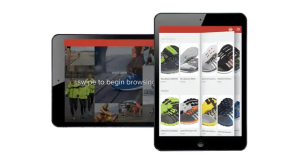
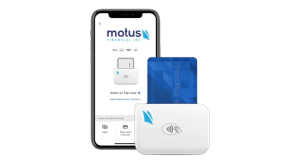
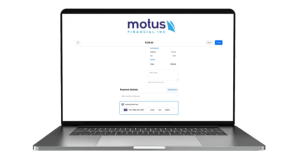
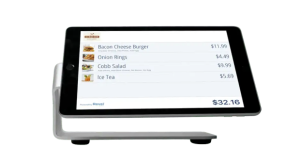 Our POS systems are designed to streamline in-store transactions. With features like inventory management, sales reporting, and customer tracking, our POS solutions help you run your business more efficiently. Our terminals are compatible with various payment methods, including chip cards, contactless payments, and mobile wallets.