
Restaurant POS Systems in Madison: TouchBistro vs Lavu vs ShopKeep and How to Pick the Right Fit
Restaurant POS Systems in Madison: TouchBistro vs Lavu vs ShopKeep and How to Pick the Right Fit
Key takeaways
- The best restaurant POS system is the one that matches your service style, not the one with the longest feature list.
- TouchBistro, Lavu, and ShopKeep can all work well in Madison, but each fits a different workflow.
- Your POS and your payment processing setup should be evaluated together, because they affect speed, reporting, and support.
A Madison restaurant has a rhythm. Brunch crowds that roll in waves. Dinner rushes that hit like a weather front. A Friday night where one broken printer can feel like the universe is personally attacking you.
If you are shopping for a restaurant POS system in Madison, Wisconsin, you are not really buying software. You are buying calm. You are buying speed. You are buying the ability to run a busy shift without your staff playing detective.
Quick answer: if you are table service heavy, start with TouchBistro. If you are bar heavy or mixed service, Lavu is usually the most flexible. If you are counter service or simple menus, ShopKeep can be a clean fit.
If you want to see the three systems Motus supports for the Madison market, start here: POS systems in Madison, WI
Start here: Know your service style first
Before you look at a single brand, ask one question: how do customers order and pay in your world?
A counter service cafe and a full service dining room are two completely different beasts, even if they both serve great food. A POS built for fast, simple transactions can feel clunky when servers need to manage tables, split checks, and fire courses to the kitchen. Flip that around, and a table heavy system becomes overkill for a food truck that just needs to move tickets fast.
The same logic applies if your restaurant is bar heavy, runs multiple revenue streams like dine in and catering, or deals with seasonal volume spikes. Knowing your rhythm before you start comparing systems is the single most important step in this process. Everything else follows from there.
TouchBistro: Built for the table service grind
If your restaurant lives and breathes table service, TouchBistro is worth a serious look. It was designed with that workflow in mind, and it shows. Table layouts are intuitive, check splitting works the way servers expect it to, and course timing tools help keep the kitchen and the floor in sync.
It is not perfect out of the box for every operation. How well it connects with your online ordering or delivery setup matters, and reporting can require configuration before it feels useful for your specific menu and categories. Hardware and network reliability are worth testing too, because a hiccup during a Friday night rush is the last thing you need.
Lavu: The flexible option for bars and mixed workflows
Lavu has built a reputation for being adaptable, and that flexibility is a real advantage if your restaurant does not fit a single mold. Bar tabs, quick ordering, multi device setups where the bar and the floor are both moving fast, Lavu handles these well. The menu customization options are strong, and integrations tend to play nicely with different workflows.
The tradeoff is that flexibility usually means more setup. Lavu can take longer to configure than a more opinionated system, and staff who are not naturally comfortable with tech may need more training time to get up to speed. Support responsiveness is worth asking about before you commit, because if something goes sideways during service, you want answers fast, not a ticket queue.
ShopKeep: Clean and simple for straightforward operations
ShopKeep is not trying to be everything. For restaurants with a straightforward flow, think cafes, counter service, or operations where speed and simplicity matter more than complex table management, it can be a practical fit.
Ordering and checkout are clean and fast, inventory tracking is solid, and the reporting gives owners a clear picture of trends without a lot of digging. New staff tend to pick it up quickly, which matters more than people give it credit for.
Where ShopKeep can fall short is on the more complex side of restaurant operations. High modifier menus and full table service scenarios are not its strongest ground, and some features that feel essential to others may require add ons.
Putting them in context
Each of these systems has a different personality, and the best way to see the difference is to line them up against what your restaurant actually does every day.
If your priority is smooth table service with good kitchen flow, TouchBistro is the strongest starting point. If you run a bar heavy or mixed service operation and need flexibility to configure things your way, Lavu is worth the extra setup time. If your operation is simpler and you want something your team can learn fast and use confidently, ShopKeep punches above its weight.
None of them is universally the best. The best one is the one that fits how your restaurant actually runs.
The features that actually make or break your day
Marketing pages will drown you in feature lists. Most of those features will never matter to you. Here is the short list of what actually shows up during a shift and determines whether your POS feels like an asset or an obstacle.
Order flow
Can staff fire items to the kitchen without confusion? Can you route tickets to the right stations? Can modifiers get communicated clearly so the kitchen is not guessing? If the answer to any of these is no, everything else is secondary.
Payments
Tap, chip, swipe, and mobile pay should all work reliably. Tips should be easy to handle. Partial payments and gift cards should not require a workaround every single time.
This is also where pairing your POS with the right processing setup matters. For a Madison specific overview of processing options, see: Credit card processing in Madison, WI
Reporting
Can you see sales by category? Can you track comps and voids without digging through raw data? Can you export what your bookkeeper actually needs? Good reporting turns a busy night into useful information.
Reliability
What happens when WiFi gets spotty? What if a device fails mid service? Do you have a backup plan that does not involve writing down orders on napkins?
Support
How fast can you get a real person when something goes wrong? A system that is great on paper but leaves you stuck during a Saturday rush is not a great system for your restaurant.
If local accountability matters to you, this page ties the Madison support story together: Madison, Wisconsin merchant services
FAQs
Which POS is best for table service in Madison?
TouchBistro is where many table service operators start, but the right choice still depends on your menu complexity and integrations.
Which POS is best for a bar heavy restaurant?
Lavu often makes the shortlist because of tabs and fast ordering, but test it against your real workflow before committing.
Can a retail style POS work for a cafe?
Yes. If the flow is simple and speed is the priority, ShopKeep can be a practical fit.
What should I budget monthly for a restaurant POS?
Costs vary by features and number of devices. Budget based on what you actually need, not what looks impressive in a demo.
Do I need local support for my POS?
If you cannot afford downtime during service, support speed and competence matter as much as features.
Next step
If you want help matching a POS to your service style and your payment workflow, start with a quick conversation: Contact Motus Financial




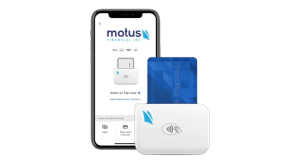
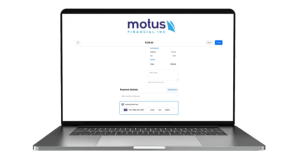
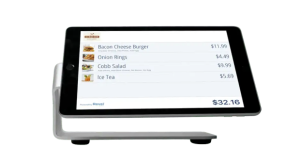 Our POS systems are designed to streamline in-store transactions. With features like inventory management, sales reporting, and customer tracking, our POS solutions help you run your business more efficiently. Our terminals are compatible with various payment methods, including chip cards, contactless payments, and mobile wallets.