

Small Business Credit Card Processing in Madison: The No-Nonsense Fee Comparison Guide
Small Business Credit Card Processing in Madison: The No-Nonsense Fee Comparison Guide
Small business credit card processing in Madison looks straightforward until you’re actually trying to compare providers — and then it gets complicated fast. Every processor leads with a rate that sounds reasonable. The actual cost only becomes clear once you’re three months in, reading a statement full of line items that weren’t part of the original conversation.
This guide exists to close that gap. Before you sign anything, or before you decide whether what you’re currently paying is fair, here’s what you actually need to know.
Why Fee Comparisons Are Harder Than They Should Be
The payment processing industry doesn’t have standardized pricing. Two processors can both advertise “2.5%” and charge you completely different amounts over the course of a year, because what counts toward that 2.5% — and what gets added on top — varies significantly by provider and contract structure.
That ambiguity isn’t accidental. It makes comparison shopping harder and makes switching feel risky even when staying put is costing you money. According to the Consumer Financial Protection Bureau, small business owners frequently cite payment processing fees as one of their least understood recurring costs. That tracks with what most local providers hear when they sit down with a new client for the first time.
The good news is that once you understand the three main pricing structures and know which fees to look for, the comparison gets a lot more manageable.
Small Business Credit Card Processing Madison: The 3 Pricing Models Side by Side
Tiered Pricing
This is what most businesses end up on without realizing it. Your transactions get sorted into tiers — usually called qualified, mid-qualified, and non-qualified — and each tier has a different rate. The headline rate your sales rep quoted you applies to qualified transactions. Everything else costs more.
What counts as qualified versus non-qualified? That’s where it gets murky. Rewards cards, corporate cards, keyed-in transactions, card-not-present sales — these commonly land in higher tiers. The processor sets the rules, and they can change them. Most merchants on tiered pricing are paying more than they think, and a portion of their transactions are hitting the non-qualified rate regularly.
If your statement shows three rate categories with abbreviations like QUAL, MQUAL, and NQUAL, you’re on tiered pricing.
Flat Rate
Square, Stripe, and similar platforms charge one percentage regardless of card type. 2.6% plus $0.10 per transaction, or some equivalent. Simple to understand, easy to budget around, and genuinely convenient for businesses that are just starting out or running low and variable volume.
The limitation is that flat rate pricing doesn’t distinguish between cheap transactions and expensive ones. A basic debit card swipe costs a processor far less in interchange than a premium rewards card — and on flat rate, you pay the same either way. Once your volume is consistent and meaningful, that lack of distinction usually means you’re overpaying on a significant share of your transactions.
Interchange-Plus
This separates the cost into two visible pieces: the interchange rate (set by Visa, Mastercard, Discover — not negotiable, the same for every processor) plus the processor’s markup (negotiable, and where providers actually compete).
On a statement, it might look like “interchange + 0.30% + $0.10 per transaction.” You can see exactly what the card network charges and exactly what the processor adds on top. If you want to compare two providers honestly, you compare their markup — everything else is the same.
For most established small businesses doing consistent volume, interchange-plus is the most transparent and cost-effective structure available. It’s what Motus Financial uses for clients in the Madison area, and it’s the structure that holds up best to scrutiny.
The Fees That Actually Drive Your Total Cost
Rate is only part of the picture. Here are the other charges that show up on statements and significantly affect your real monthly cost.
Per-Transaction Fees
A flat fee charged on every transaction regardless of size — often $0.10 to $0.30. On a high average ticket, this is negligible. On a coffee shop or food truck doing dozens of $8 and $12 sales, it adds up fast. Always calculate your effective cost using your actual average ticket size, not just the percentage rate.
Monthly and Annual Fees
Statement fees, account maintenance fees, annual fees — these exist on many contracts and range from minor to significant depending on the provider. Some are standard; others are padding. Always ask for a full list of recurring fees before signing, not just the processing rate.
PCI Compliance Fees
Most processors charge a monthly or annual PCI compliance fee. This covers the cost of maintaining Payment Card Industry Data Security Standard compliance for your account. It’s a legitimate fee, but the amount varies widely — anywhere from a few dollars a month to over $100 annually. Worth knowing what you’re paying and whether it’s in line with what others charge.
Batch Fees
Charged each time you settle your transactions at end of day. Small individually, but worth knowing they exist. On high-frequency settlement schedules, they can add a meaningful amount over the course of a month.
Early Termination Fees
Not a monthly cost, but potentially a large one-time cost if you need to switch before your contract ends. Some contracts have a flat fee. Others calculate it based on estimated processing volume for the remaining term, which can be substantial. Read this clause carefully before signing anything. The Madison merchant services page has more context on what reasonable contract terms look like in practice.
Small Business Credit Card Processing Madison: What Fair Pricing Actually Looks Like
Here’s a realistic benchmark for different business types in the Madison area, using interchange-plus pricing as the baseline.
A retail shop with mostly in-person chip and tap transactions should land between 1.8% and 2.4% effective rate. A restaurant with similar transaction patterns runs comparably. A service business that invoices clients and processes remotely will be somewhat higher — card-not-present transactions carry higher interchange rates regardless of processor, so the baseline is different. A contractor or mobile business using a reader for in-person payments should look similar to retail.
If you’re significantly above these ranges and your transaction mix doesn’t explain it, the processor’s markup or fee structure is likely the issue — not the nature of your business. A free review from a local provider can tell you which it is.
How to Run the Comparison Yourself
Pull your last three statements. For each month, add up every fee — percentage fees, per-transaction fees, monthly fees, compliance fees, all of it. Divide that total by your total card volume for the month. That percentage is your effective rate for that month. Average the three months together.
That number is the only honest measure of what you’re actually paying. Compare it to what you were quoted when you signed up. Then compare it to what a local provider offers on interchange-plus with their markup clearly stated. The math will tell you whether switching makes sense.
You can find more on this approach in this breakdown of practical ways to reduce merchant services fees.
What to Ask Any Provider Before You Commit
Getting useful answers out of a sales conversation requires asking the right questions directly. A few that matter most for small business credit card processing in Madison:
What pricing model is this — tiered, flat rate, or interchange-plus? Get this in writing, not just verbally.
What is your markup on top of interchange? If they can’t or won’t answer this clearly, that’s information.
What are all the monthly and annual fees, not just the processing rate? Ask them to walk through the full fee schedule line by line.
What are the contract terms and early termination conditions?
What does support look like if something goes wrong outside business hours?
That last one matters more than most people expect until they need it. The value of a local merchant services provider in Madison shows up most clearly on the occasions when something breaks and you need a real person, not a ticket queue.
A Note on Switching vs. Staying
If your current processing rates are significantly above market, switching looks appealing. Whether it makes sense depends on a few variables — your early termination fee, how many months remain on your contract, and how much you’d realistically save monthly under a new agreement.
Sometimes the math clearly favors an immediate switch. Other times you’re better off negotiating a rate reduction with your current processor (which is often possible and rarely attempted) or locking in better terms when your contract renews. A local provider can review your current agreement and walk you through the numbers without any pressure to decide immediately. That conversation starts at Motus Financial’s credit card processing page for Madison if you want context before reaching out.
Frequently Asked Questions
What’s the difference between a quoted rate and my effective rate? The quoted rate is what the processor advertises — usually the rate on their best-case transaction type. Your effective rate is total fees divided by total volume, and it accounts for everything: per-transaction fees, monthly charges, compliance fees, and the fact that not all your transactions hit the lowest tier. Effective rate is the only number worth comparing between providers.
Is interchange-plus always better than flat rate for small businesses? Not always. For businesses with low or highly variable monthly volume, flat rate pricing is simpler and easier to manage. Once your monthly card volume is consistently above $8,000 to $10,000, interchange-plus usually wins on total cost — but it depends on your card mix and average ticket size. A straightforward comparison using your actual numbers will tell you quickly.
Can I negotiate my processing rate with my current provider? Yes, and more often than people realize. Processors want to keep accounts, especially ones with stable volume. Calling and asking directly for a rate review — particularly if you have a competing offer in hand — frequently works. The worst they can say is no.
How long do most small business processing contracts run? Typically one to three years, though month-to-month options exist and are worth asking about. Longer contracts sometimes come with slightly better rates, but they also come with larger early termination risk if you need to switch. Month-to-month gives you flexibility at potentially a small rate premium.
What should I do if I find fees on my statement I don’t recognize? Call your processor and ask them to explain every unidentified line item. You’re entitled to a clear explanation. If the answer is vague or they can’t tell you what a fee covers, escalate. If fees were added without notice and your contract doesn’t allow for that, you may have grounds to exit without a termination penalty — worth checking with a local provider who can review the agreement.
Ready to See What You’re Actually Paying?
Small business credit card processing in Madison doesn’t have to be a guessing game. The right provider will show you exactly what you’re paying, compare it honestly to what you could be paying, and let you make the decision with full information.
Motus Financial works with small businesses across Madison, Sun Prairie, and the surrounding area. We do free statement reviews with no obligation — you bring your last statement, we tell you exactly what we see, and you decide what to do with that.







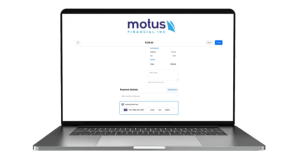
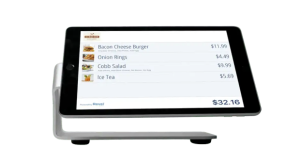 Our POS systems are designed to streamline in-store transactions. With features like inventory management, sales reporting, and customer tracking, our POS solutions help you run your business more efficiently. Our terminals are compatible with various payment methods, including chip cards, contactless payments, and mobile wallets.