
Virtual Terminal Payment Gateway: Which Do You Need?
Virtual Terminal Payment Gateway: Which Do You Need?
If customers pay you by phone, from an emailed invoice, on a monthly plan or through your website, you are taking card-not-present payments. Two tools handle them: the payment gateway and the virtual terminal. They are often sold together under names like “virtual terminal payment gateway,” which makes it hard to tell what you actually need.
Below are plain definitions, six common Wisconsin payment workflows and a table that matches each one to the right tool. Already sure you want a virtual terminal? See how virtual terminal credit card processing works with Motus.
Key Takeaways
- The deciding question is who enters the payment details: your customer or your staff.
- Many businesses use both: in a typical virtual terminal payment gateway setup, the staff screen runs on the same gateway that powers online checkout.
- Recurring billing and ACH are optional features, and tokenization is how stored payment details are protected. What is included depends on the provider and plan.
- Map your real payment workflow before you compare pricing.
Plain-English Definitions
- Payment gateway: the technology that securely passes payment details from a checkout page, invoice or software to the processor and returns the answer.
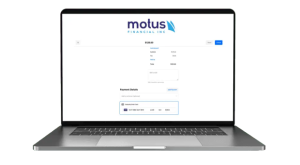
- Virtual terminal: a secure web page where your staff types in a customer’s payment details.
- Payment link: a link, often on an emailed invoice or a text, that opens a secure page where the customer pays.
- MOTO payments: card payments taken by mail order or telephone order. The customer reads card details over the phone or mails them, and your staff enters them. Never ask customers to email or text card numbers; send a payment link instead.
- Recurring billing: charging a customer on a schedule, with their permission to keep payment details on file.
- ACH: an electronic payment pulled from or sent to a bank account over the ACH Network, sometimes called an eCheck.
- Tokenization: replacing a card or account number with a stand-in value, called a token, so the real number is not stored in your systems.
Payment Gateway vs. Virtual Terminal: The Core Difference
Ask who types in the payment details. With a website checkout or payment link, the customer enters their own details and your staff never handles the full number. With a virtual terminal, your staff enters them, which suits phone orders and mailed forms.
So the two are not rivals. Most virtual terminals run on a gateway, and many providers bundle a virtual terminal, payment links and recurring billing into one account. Packaging differs, so ask exactly what comes with the account you are quoted.
Six Common Wisconsin Payment Workflows
A professional services firm billing by invoice
A Madison accounting or law firm usually bills after the work is done. Clients want a pay button on the invoice, and some prefer ACH for larger amounts. Payment links cover most of this; a virtual terminal handles the client who calls. See payment solutions for professional services firms.
A healthcare or dental office collecting patient balances
At a Green Bay dental office, a patient balance often remains after insurance pays. Staff may take a card by phone, send a payment link with the statement or set up a payment plan. See credit card processing for healthcare practices.
A contractor taking deposits and final payments
An Eau Claire HVAC or plumbing company may take a deposit by phone and the balance on site. The office uses a virtual terminal or payment link; technicians carry a mobile or wireless device. If your crews collect at the job, read our guide on how to choose a wireless credit card terminal.
A B2B supplier with large, repeat invoices
A Fox Valley distributor may see purchase orders, large invoices and buyers who prefer ACH, while some customers still phone in card details. A virtual terminal with card and ACH entry, plus payment links on invoices, may cover the mix.
Unlike a card payment, an ACH debit is not approved against the customer’s balance when you enter it. It can be returned days later for insufficient funds, and a consumer can dispute an unauthorized debit for longer than that, so ask your provider how returns are reported and when funds are actually yours. If business customers use corporate or purchasing cards, ask whether your setup supports Level 2 and Level 3 data, which some providers offer.
A service business with monthly plans
A Milwaukee-area cleaning service on monthly plans depends on recurring billing. Before you start, ask how the system handles a declined payment, how customers update a card without calling you, whether they get notice before a charge, and how pausing or canceling works.
A business that also sells or books online
A Door County tour company taking bookings online needs a gateway that works with its website platform, or a hosted payment page it links to. If you are choosing a payment gateway for small business checkout, start with platform compatibility.
You only need a full shopping cart if customers pick products from a catalog; many service businesses do fine with invoices and payment links. See online payments and hosted payment pages, or ecommerce solutions for cart checkout.
Decision Table: Match the Tool to Your Workflow
Use this table to choose a virtual terminal, a payment gateway, or a virtual terminal payment gateway account that does both.
| How you get paid | Who enters the payment | Usually the better fit | Confirm with your provider |
|---|---|---|---|
| Card payments by phone or mail | Your staff | Virtual terminal | User logins, receipts, keyed pricing |
| Invoices sent by email | Your customer | Gateway with payment links | Fit with your invoicing software |
| Monthly plans or retainers | Customer once, then automatic | Recurring billing on a gateway or virtual terminal | Authorization records, decline handling |
| Large B2B invoices from a bank account | Either | ACH through a gateway or virtual terminal | ACH availability, timing, returns |
| Website checkout or online booking | Your customer | Gateway connected to your site | Platform compatibility, fraud tools |
If two or more rows describe you, that is normal. Look for one account that covers them, connects to the software you already use (test it first) and gives your bookkeeper reports that match bank deposits.
Security and Compliance in Plain Terms
Every business that accepts cards has duties under the Payment Card Industry Data Security Standard (PCI DSS), maintained by the PCI Security Standards Council. What applies depends on how you take payments. Hosted payment pages and tokenization can reduce the card data you handle, but they do not remove your duties, so ask your provider what they cover.
If staff key card numbers into a virtual terminal, the computer and browser they use are part of your PCI responsibilities, so keep them updated, give each person their own login and never let the browser save card details.
For ACH, the rules come from Nacha, which governs the ACH Network. Its guidance on compliant ACH authorizations says a consumer debit authorization needs clear terms, a copy for the customer and proof your bank can ask to see.
Who a Virtual Terminal Is and Is Not Right For
A virtual terminal fits if your staff take payments by phone or mail, you collect deposits from regular customers, or you want a backup when other systems are down. It is a weaker fit if most customers would gladly pay online themselves, since every keyed payment takes staff time and puts card numbers in your team’s hands.
Leaning toward a virtual terminal? Our virtual terminal options and features page lists what the Motus option includes. Mostly selling or billing online? Start with online payments. If software you already use has payments built in, compare it honestly first.
Frequently Asked Questions
What do I need from a customer before setting up recurring card or ACH payments?
A clear authorization that says what will be charged, how often, from which card or account, and how to cancel. ACH debits follow the Nacha Operating Rules and stored cards follow card network rules, so ask your provider for their authorization template and how long to keep records.
Can a virtual terminal accept ACH payments?
Some can. An ACH virtual terminal lets staff enter a bank payment much like a card. The Motus virtual terminal includes ACH entry. Nacha says ACH payments can be processed within hours on the same business day or be scheduled one or two business days out, and your provider’s funding schedule sets when deposits reach you.
Are phone payments riskier than in-person card payments?
Generally, yes. You cannot check the physical card, and when a card-not-present payment turns out to be fraud, the business usually carries the loss. Verify the customer, use address and security code checks where offered, and never write down or store the security code after the payment is run. A clear refund policy and a business name customers recognize on their statement also help prevent chargebacks.
Is it safe to keep a customer’s card on file?
It can be, when your provider tokenizes the card and the customer has authorized future charges. Never keep card numbers in spreadsheets, notes or email.
Do keyed virtual terminal payments cost more than tapped cards?
They can. Many plans price card-not-present payments differently from card-present ones, and rates depend on your provider, plan and merchant category. Ask for the rate on each payment type, plus any monthly gateway, PCI-related or add-on fees.
What is the difference between a payment link and a virtual terminal?
With a payment link, the customer opens a secure page and enters their own details, which suits emailed invoices and deposits. With a virtual terminal, your staff enters the details, which suits MOTO payments taken by phone or mail.
The Bottom Line
Start from how your customers pay, not from tool names. Write down the three ways you get paid most often, then choose the virtual terminal payment gateway setup that covers them with one account and clean reporting. For how Motus works with businesses across the state, see Wisconsin merchant services.
Not sure which setup fits? Ask Motus to map your payment workflow and recommend a gateway or virtual terminal setup for your Wisconsin business, including when a simpler option would serve you better.
Sources
- PCI Security Standards Council: PCI DSS, the standard for protecting payment card data.
- Nacha: About Us, on Nacha’s role in governing the ACH Network and the Nacha Operating Rules.
- Nacha: The Importance of Compliant ACH Authorizations, on what a consumer debit authorization must include.
- Nacha: The ABCs of ACH, an overview of ACH payments and timing.





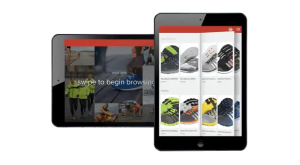
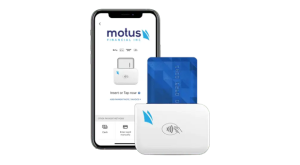
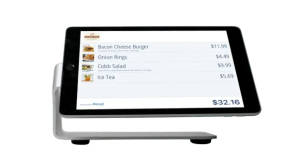 Our POS systems are designed to streamline in-store transactions. With features like inventory management, sales reporting, and customer tracking, our POS solutions help you run your business more efficiently. Our terminals are compatible with various payment methods, including chip cards, contactless payments, and mobile wallets.