

Tips to Improve Cash Flow with Faster Payment Processing
Tips to Improve Cash Flow with Faster Payment Processing
Cash flow challenges affect businesses of every size, regardless of revenue or industry. Even organizations with strong sales and consistent customer demand can experience financial pressure when payments take too long to reach their bank accounts. Fixed expenses such as payroll, rent, inventory, utilities, insurance, and software subscriptions continue on a predictable schedule, while incoming payments may be delayed by days or even weeks.
This timing gap forces many businesses to rely on credit cards, overdrafts, or short-term financing to remain operational. Over time, these stopgap solutions increase operational costs, reduce profit margins, and weaken long-term financial stability. Improving how quikly customer payments are received is one of the most effective ways to strengthen cash flow—without increasing prices or chasing additional sales.
This guide, supported by Motus Financial, explains how payment timing affects cash flow, what causes delays, and how businesses across multiple industries can gain faster access to the revenue they have already earned.
Understanding Cash Flow Timing

Cash flow is not just about how much money a business earns—it is about when that money becomes usable. A delay of even one or two days in deposits can compound across dozens or hundreds of transactions each month, creating unnecessary strain.
When payments take too long to settle, businesses may struggle to meet financial obligations despite having delivered products or completed services. Faster access to funds allows companies to operate with confidence, pay vendors on time, and reduce dependence on short-term borrowing.
Shortening the time between transaction approval and deposit directly improves liquidity without changing customer volume, pricing, or business model.
What Payment Processing Really Includes
Payment processing is more complex than it appears on the surface. Each transaction moves through several steps:
-
Authorization of the payment
-
Routing through card networks or payment rails
-
Settlement between financial institutions
-
Final deposit into the business bank account
Delays can occur at any stage, especially when systems are outdated, fragmented, or poorly integrated. Motus Financial focuses on optimizing the entire payment lifecycle, ensuring transactions move efficiently from authorization to settlement.
The Hidden Costs of Slow Payments
Delayed deposits create more than minor inconvenience. Over time, they lead to measurable financial strain and operational inefficiencies.
Slow payment processing often results in:
-
Missed early-payment supplier discounts
-
Increased reliance on credit lines and overdrafts
-
Higher interest and financing costs
-
Strained relationships with vendors and staff
-
Limited ability to reinvest in growth opportunities
In many cases, these indirect costs exceed the fees associated with modern, faster payment solutions.
Why Customers Also Benefit from Faster Payments
Improved payment systems do not only benefit businesses—they also enhance the customer experience. Smooth transactions reduce payment errors, declines, and checkout friction.
Clear confirmations, faster refunds, and familiar payment options build trust and encourage repeat business. Companies that streamline payment processing through Motus Financial often see improved customer satisfaction alongside stronger cash flow.
Industry-Specific Cash Flow Challenges
Payment delays affect industries differently, but the impact is universal.
Businesses in Restaurant and Retail environments rely on daily settlements to manage inventory and staffing. Healthcare providers depend on timely payments to support operational continuity and administrative costs. Hospitality and Lodging businesses process high transaction volumes and require predictable settlement cycles.
In Manufacturing, cash flow stability is essential for managing suppliers and production timelines. Contractors often face delayed payments tied to project milestones, making faster deposits critical for payroll and materials.
Across all industries, reducing the gap between sale and settlement improves financial control.
Payment Services That Support Faster Cash Flow
Choosing the right payment structure is just as important as improving speed. Payment tools should align with how a business operates within its service area.
POS Systems help streamline in-store transactions while syncing sales data with accounting software. Standard Terminals provide reliable card acceptance for fixed locations, supporting consistent deposits.
For businesses that accept payments remotely, Virtual Terminals allow quick processing of phone and invoice-based transactions. Mobile CC Processing supports on-site and field-based payments, reducing delays caused by manual invoicing.
For online businesses, E-Commerce payment integrations ensure digital transactions are completed efficiently and settled without unnecessary lag.
Digital Integration and Automation

Many businesses use digital tools but still rely on manual workflows. Partial automation limits efficiency and increases errors.
Fully integrated systems connect sales platforms, invoicing tools, payment gateways, and accounting software. When systems communicate automatically, reconciliation improves, administrative time decreases, and deposits arrive faster.
Recurring Revenue and Predictable Cash Flow
Subscription-based and service-driven businesses benefit significantly from automated recurring billing. Scheduled payments reduce late or missed invoices and create predictable revenue streams.
With recurring payment solutions from Motus Financial, businesses gain greater control over cash inflows, making it easier to plan staffing, inventory, and future investments.
Long-Term Stability Through Faster Payments
Reliable cash flow strengthens resilience during seasonal slowdowns, economic changes, or rising operational costs. Businesses with faster access to funds are better positioned to adapt without emergency financing.
By improving settlement timing and payment efficiency, companies gain control over revenue they have already earned—supporting sustainable growth and long-term stability.
Final Thoughts
Improving cash flow does not always require increasing sales or cutting expenses. Often, the solution lies in how efficiently payments move through your business.
By optimizing systems, reducing delays, and partnering with a trusted provider like Motus Financial, businesses can access their funds faster, operate with confidence, and build a stronger financial foundation for the future.






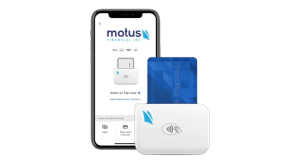
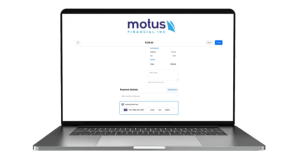
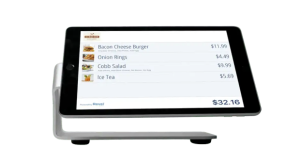 Our POS systems are designed to streamline in-store transactions. With features like inventory management, sales reporting, and customer tracking, our POS solutions help you run your business more efficiently. Our terminals are compatible with various payment methods, including chip cards, contactless payments, and mobile wallets.