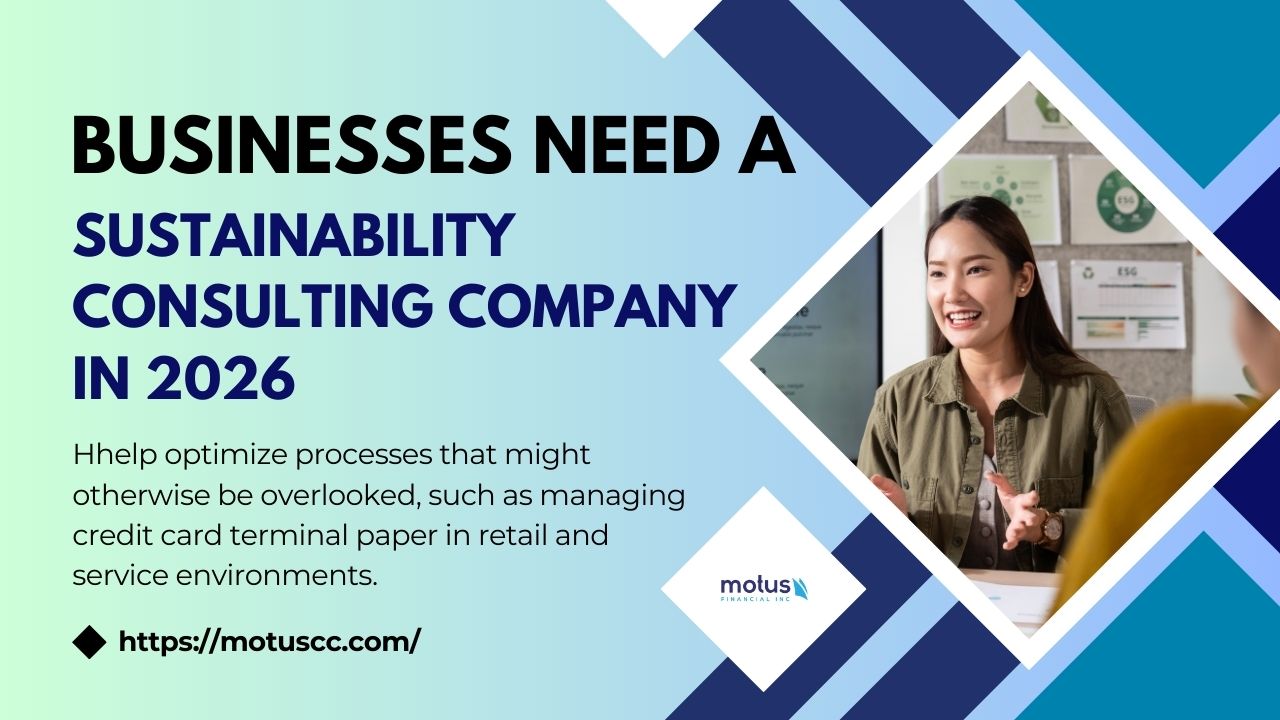

Why Businesses Need a Sustainability Consulting Company in 2026
Why Businesses Need a Sustainability Consulting Company in 2026
In 2026, businesses face increasing pressure to operate sustainably. Environmental regulations, stakeholder expectations, and market trends make sustainability more than just a buzzword—it’s now a critical business strategy. Companies that fail to act risk losing relevance, facing legal challenges, and missing opportunities to reduce costs. Partnering with a sustainability consulting company helps businesses navigate this complex landscape and achieve long-term success.
Sustainability consultants provide expert guidance on reducing environmental impact, improving operational efficiency, and enhancing brand reputation. They also help optimize processes that might otherwise be overlooked, such as managing credit card terminal paper in retail and service environments. These consultants bring a structured approach, ensuring that sustainability goals are not only set but effectively achieved.
What is Sustainability Consulting?
Sustainability consulting is the practice of providing professional advice to organizations to integrate eco-friendly and socially responsible practices into their operations. The goal is to create business models that are both profitable and environmentally sustainable.
Consultants analyze current practices, identify areas of inefficiency or waste, and develop strategies to improve performance. They also provide guidance on reporting, compliance, and employee engagement to make sustainability part of the company culture.
Key Areas of Focus
Sustainability consulting covers multiple areas, including:
- Resource management: Efficient use of energy, water, and materials.
- Waste reduction: Minimizing, recycling, and responsibly disposing of waste.
- Sustainable supply chains: Partnering with eco-conscious suppliers.
- Energy efficiency: Implementing technologies that reduce consumption.
- Operational sustainability: Optimizing daily processes, including tasks like managing credit card terminal paper effectively.
- Environmental reporting: Tracking and documenting sustainability efforts for stakeholders.
Why Sustainability is Critical in 2026

Sustainability is no longer optional. Regulatory requirements, market expectations, and internal efficiency needs make it essential for business survival.
Regulatory Compliance
Governments are imposing stricter environmental standards. Businesses must meet these requirements to avoid penalties and maintain their license to operate. Sustainability consultants ensure that companies stay compliant while identifying opportunities for improvement.
Customer Expectations
Consumers increasingly support businesses that demonstrate a commitment to the environment. Brands with strong sustainability practices often experience higher customer loyalty and increased market share.
Financial Efficiency
Sustainability practices often lead to cost reductions. Energy-efficient systems, reduced waste, and resource optimization contribute to lower operational expenses. Even small changes, like optimizing credit card terminal paper usage, can reduce costs over time.
Brand Reputation
Companies that prioritize sustainability are viewed more favorably by investors, employees, and customers. A positive reputation attracts talent and fosters trust in the marketplace.
Read it also:- Why Credit Card Terminal Paper Matters in a Competitive Market
How Sustainability Consultants Help Businesses
Sustainability consulting companies provide structured approaches and expertise that enable businesses to reach their environmental goals effectively.
Assessment and Strategy Development
Consultants start with a comprehensive audit of a company’s operations to identify areas of inefficiency and environmental risk. This includes energy use, waste management, supply chain practices, and even the use of materials like credit card terminal paper.
Implementation Support
Consultants guide businesses in implementing sustainability strategies, which can include adopting eco-friendly technologies, improving energy efficiency, and optimizing operational practices.
Employee Training
Sustainable practices require staff participation. Consultants develop training programs to ensure employees understand how to implement and maintain environmentally friendly practices, including managing resources like credit card terminal paper responsibly.
Monitoring and Reporting
Ongoing tracking and reporting are critical for evaluating success. Consultants provide systems to measure progress, generate reports for stakeholders, and adjust strategies as necessary.

Practical Steps Companies Can Take Today
Businesses don’t have to wait to start their sustainability journey. Steps include:
- Conducting an internal audit of energy, water, and material use.
- Implementing energy-efficient lighting and machinery.
- Reducing paper use through digital receipts and responsible credit card terminal paper management.
- Partnering with suppliers who prioritize eco-friendly practices.
- Implementing recycling programs for all office and retail materials.
- Educating employees and fostering a culture of sustainability.
Benefits of Small Changes
Even minor adjustments have a significant impact. For example, switching to recycled credit card terminal paper and promoting paperless receipts can substantially reduce waste. Implementing energy-saving devices can also lower utility bills and reduce carbon emissions.
Industry-Specific Applications
Different industries have unique sustainability challenges and opportunities.
Retail
Retail businesses can manage packaging, reduce energy consumption, and optimize credit card terminal paper use. This not only lowers costs but also improves the customer experience.
Manufacturing
Manufacturers can focus on energy-efficient machinery, waste reduction, and sustainable supply chains. Consulting companies help measure and improve these practices.
Hospitality
Hotels and restaurants can reduce water and energy use, minimize food waste, and implement eco-friendly cleaning and service practices. Sustainability consultants provide actionable strategies tailored to this sector.
Service Providers
Offices and service-based businesses can streamline operations, reduce paper consumption, and implement sustainable procurement practices, including managing credit card terminal paper efficiently.
Leveraging Technology for Sustainability
Technology plays a vital role in achieving sustainability goals. Digital tools help monitor energy use, track waste, and provide data-driven insights for decision-making. In retail and service operations, switching to digital receipts and optimizing credit card terminal paper can reduce waste significantly.
Emerging technologies like IoT-enabled devices, AI analytics, and smart energy management systems allow businesses to make real-time adjustments that improve efficiency and sustainability.
Future Trends in Sustainability Consulting
Sustainability consulting is evolving to meet future business needs:
- Circular economy: Designing products and processes that reduce waste and reuse materials.
- Climate resilience: Preparing businesses to adapt to changing environmental conditions.
- Employee engagement: Fostering a culture of sustainability throughout organizations.
- Transparency: Enhancing supply chain visibility and accountability.
- Data-driven sustainability: Using analytics and AI to optimize environmental performance.
These trends will shape how businesses approach sustainability, making consulting services even more critical in 2026 and beyond.
Challenges and Considerations
While sustainability offers many benefits, companies may face challenges:
- Initial costs for implementing eco-friendly technologies.
- Resistance to change from employees or management.
- Difficulty in measuring long-term impact.
- Complexity in aligning sustainability with business objectives.
A consulting company can help navigate these challenges by providing structured guidance, measurable outcomes, and employee engagement programs.
Conclusion
In 2026, sustainability is no longer optional; it is a business imperative. Partnering with a sustainability consulting company enables organizations to reduce costs, improve efficiency, comply with regulations, and enhance brand reputation. Small operational changes, such as optimizing credit card terminal paper usage, contribute to larger environmental goals and demonstrate a company’s commitment to responsible business practices.
Motus Financial businesses that act now will be better positioned for future growth, increased customer loyalty, and a stronger, greener brand image.
FAQ
Q1: What is sustainability consulting?
A1: Sustainability consulting is professional guidance to help businesses implement eco-friendly practices, reduce waste, and improve efficiency.
Q2: How can small businesses benefit?
A2: Small businesses can lower costs, attract eco-conscious customers, and adopt simple practices like responsible use of credit card terminal paper.
Q3: How long does it take to see results?
A3: Depending on the company’s size and complexity, measurable improvements can appear within months, while full implementation may take up to 2 years.
Q4: Can sustainability consulting improve employee engagement?
A4: Yes. Employees are more motivated when they work for an environmentally responsible company.
Q5: Can businesses start sustainability efforts without a consultant?
A5: Absolutely. Conduct internal audits, reduce waste, implement energy-saving measures, and optimize credit card terminal paper usage.





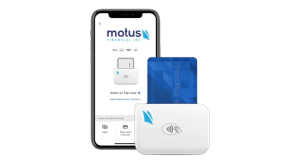
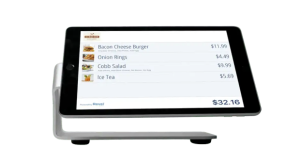 Our POS systems are designed to streamline in-store transactions. With features like inventory management, sales reporting, and customer tracking, our POS solutions help you run your business more efficiently. Our terminals are compatible with various payment methods, including chip cards, contactless payments, and mobile wallets.